

Quickstart Highlights
Cerebrolysin is a porcine brain‑derived peptide preparation containing low‑molecular‑weight neuropeptides and free amino acids that crosses the blood–brain barrier to support neuronal survival[1]. It mimics endogenous neurotrophic factors (e.g., NGF, BDNF) and modulates neuroinflammatory mediators[1][2]. This educational protocol presents a once‑daily subcutaneous approach using a practical dilution for clear insulin‑syringe measurements.
- Reconstitute: Add 3.0 mL bacteriostatic water → 20 mg/mL concentration.
- Typical daily range: 20–32 mg once daily (gradual titration); split doses for >20 mg.
- Easy measuring: At 20 mg/mL, 1 unit = 0.01 mL = 200 mcg (0.2 mg) on a U‑100 insulin syringe.
- Storage: Lyophilized at room temperature ≤25 °C (≤77 °F); after reconstitution, refrigerate at 2–8 °C (35.6–46.4 °F) and use within 7 days; do not freeze.

 Important: Before viewing any protocol, please consult our Prep & Injection Guide for essential preparation and safety instructions.
Dosing & Reconstitution Guide
Educational guide for reconstitution and daily dosing
Standard / Gradual Approach (3 mL = 20 mg/mL)
| Week | Daily Dose (mg) | Units (per injection) (mL) |
|---|---|---|
| Week 1 | 20 mg (20,000 mcg) | 100 units (1.0 mL) × 1 |
| Week 2 | 24 mg (24,000 mcg) | 60 units (0.6 mL) AM + 60 units (0.6 mL) PM |
| Week 3 | 28 mg (28,000 mcg) | 70 units (0.7 mL) AM + 70 units (0.7 mL) PM |
| Week 4+ | 32 mg (32,000 mcg) | 80 units (0.8 mL) AM + 80 units (0.8 mL) PM |
Frequency: Inject once or twice daily subcutaneously as shown above. Doses exceeding 100 units (1.0 mL) should be split into AM and PM administrations. Clinical literature describes daily doses ranging from 215 mg (1 mL of commercial solution) up to higher IV infusions[1]; this protocol uses a conservative subcutaneous approach with gradual titration.
Reconstitution steps:
- Draw 3.0 mL bacteriostatic water with a sterile syringe.
- Inject slowly down the vial wall; avoid foaming.
- Gently swirl/roll until dissolved (do not shake).
- Label and refrigerate at 2–8 °C (35.6–46.4 °F), protected from light; use within 7 days[8].
Supplies Needed
Plan based on an 8–16 week daily protocol with gradual titration. At maintenance dose (~32 mg/day), each 60 mg vial provides approximately 1.9 doses.
- Peptide Vials (Cerebrolysin, 60 mg each):
- 8 weeks ≈ 26 vials
- 12 weeks ≈ 42 vials
- 16 weeks ≈ 58 vials
- Insulin Syringes (U‑100): Count based on injections per day (1–2 depending on dose).
- Week 1 (1/day): 7 syringes
- Weeks 2–8 (2/day): 98 syringes
- 8 weeks total: 105 syringes
- 12 weeks total: 161 syringes
- 16 weeks total: 217 syringes
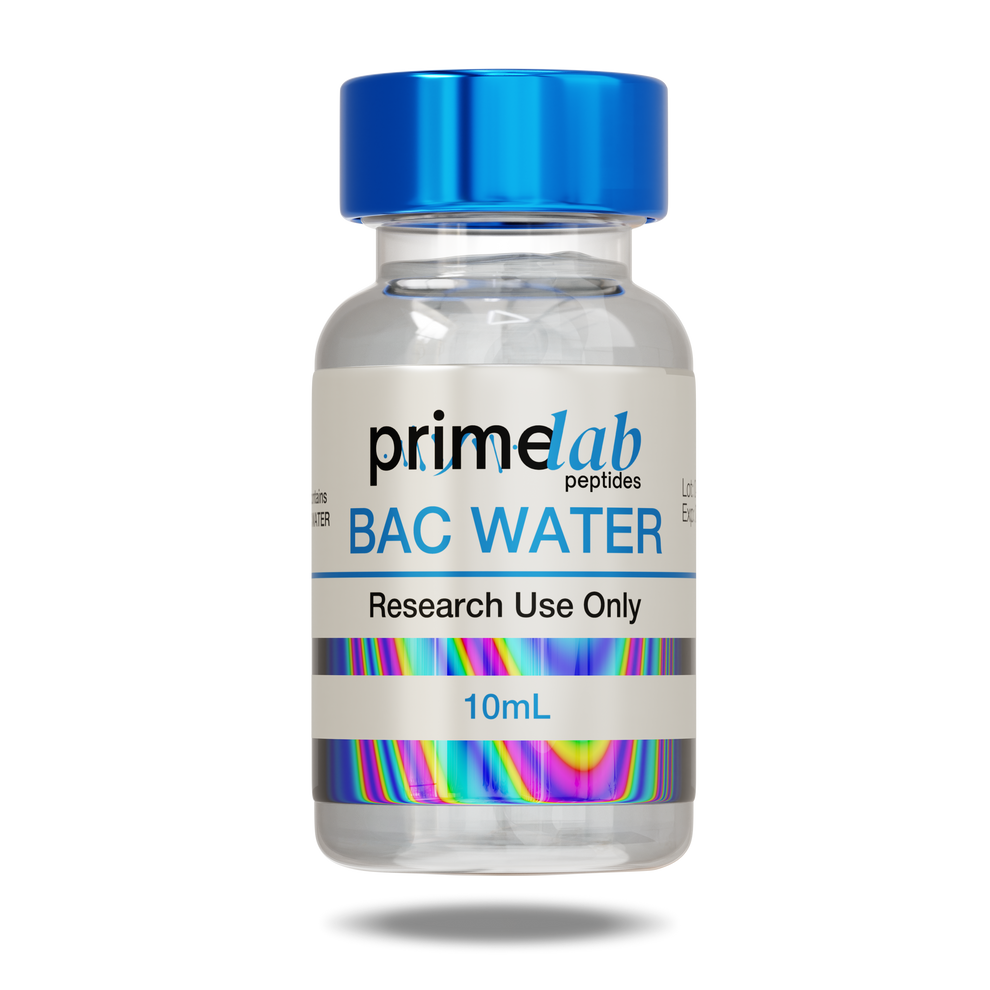
- Bacteriostatic Water (10 mL bottles): Use 3.0 mL per vial for reconstitution.
- 8 weeks (26 vials): 78 mL → 8 × 10 mL bottles
- 12 weeks (42 vials): 126 mL → 13 × 10 mL bottles
- 16 weeks (58 vials): 174 mL → 18 × 10 mL bottles
- Alcohol Swabs: One for the vial stopper + one for the injection site each administration.
- 8 weeks (105 injections): 210 swabs → recommend 3 × 100‑count boxes
- 12 weeks (161 injections): 322 swabs → recommend 4 × 100‑count boxes
- 16 weeks (217 injections): 434 swabs → recommend 5 × 100‑count boxes
" /></div>)


Protocol Overview
Concise summary of the daily regimen.
- Goal: Support neuroprotection and neuronal survival through neurotrophic factor mimicry[1][2].
- Schedule: Daily subcutaneous injections for 8–12 weeks (extend to 16 weeks if desired).
- Dose Range: 20–32 mg daily with gradual titration.
- Reconstitution: 3.0 mL per 60 mg vial (20 mg/mL) for accurate unit measurements.
- Storage: Lyophilized at room temperature (≤25 °C); reconstituted refrigerated (2–8 °C); do not freeze.
Dosing Protocol
Suggested daily titration approach.
- Start: 20 mg daily (100 units); increase by ~4 mg (20 units) per week as tolerated.
- Target: 28–32 mg daily by Weeks 3–4.
- Frequency: Once or twice per day (subcutaneous); split doses >20 mg into AM/PM.
- Cycle Length: 8–12 weeks; optional extension to 16 weeks.
- Timing: Any consistent time(s); rotate injection sites.
Storage Instructions
Proper storage preserves peptide quality.
Important Notes
Practical considerations for consistency and safety.
- Use new sterile insulin syringes; dispose in a sharps container.
- Rotate injection sites (abdomen, thighs, upper arms) to reduce local irritation.
- Inject slowly; wait a few seconds before withdrawing the needle.
- Document daily dose, timing (AM/PM), and site rotation to maintain consistency.
- For doses exceeding 100 units (1.0 mL), split into two separate injections at different sites.
How This Works
Cerebrolysin is a multicomponent peptide preparation derived from porcine brain tissue, containing biologically active neuropeptides and amino acids with molecular weights below 10 kDa[1]. This low molecular weight allows it to cross the blood–brain barrier and exert neurotrophic effects similar to endogenous factors like nerve growth factor (NGF) and brain‑derived neurotrophic factor (BDNF)[1][2]. Preclinical studies demonstrate neuroprotective effects including reduced infarct size and improved recovery in ischemia models[4][5]. Human trials have examined its use in stroke, dementia, and traumatic brain injury with mixed but generally favorable tolerability profiles[2][3].
Potential Benefits & Side Effects
Observations from preclinical and clinical literature.
- Preclinical models consistently show neuroprotective effects including reduced neuronal damage and improved functional recovery after ischemic insult[4][5].
- Meta‑analyses of human dementia trials suggest modest cognitive benefits with daily IV infusions[2]; stroke trial results have been more variable[3].
- Generally well tolerated in short‑term use[2]; occasional mild injection‑site reactions (redness, discomfort) may occur with subcutaneous administration.
- Rare reports of dizziness, headache, or gastrointestinal upset; discontinue and consult a professional if significant adverse effects occur.
Lifestyle Factors
Complementary strategies for best outcomes.
- Maintain a nutrient‑dense diet rich in omega‑3 fatty acids, antioxidants, and B‑vitamins to support neuronal health.
- Engage in regular aerobic exercise and cognitive stimulation to reinforce neuroplasticity.
- Prioritize quality sleep (7–9 hours) and stress management to optimize recovery and brain function.
- Avoid excessive alcohol and other neurotoxic substances during the protocol.
Injection Technique
- Clean the vial stopper and skin with alcohol; allow to dry.
- Pinch a 2–4 cm skinfold; insert the needle at 45–90° into subcutaneous tissue[6].
- Do not aspirate for subcutaneous injections; inject slowly and steadily[7].
- Rotate sites systematically (abdomen, thighs, upper arms) to avoid lipohypertrophy[9].
- For split‑dose protocols (AM/PM), use different injection sites for each administration.
Recommended Source
We recommend Prime Lab Peptides for high‑purity Cerebrolysin (60 mg).
Why Prime Lab Peptides?
- High‑purity, third‑party‑tested lots with batch COAs.
- Consistent, ISO‑aligned handling and documentation.
- Reliable fulfillment to maintain product integrity.
Important Note
This content is intended for therapeutic educational purposes only and does not constitute medical advice, diagnosis, or treatment.
References
International Peptide Society
— Cerebrolysin Monograph: mechanism, pharmacology, and clinical applications (2018)
Alzheimer’s Drug Discovery Foundation
Zhang et al., Med Sci Monit (PMC)
Kurkin et al., PLOS One
Espinoza et al., Behav Brain Res (PubMed)
CDC
Ever Neuro Pharma
NCBI Bookshelf
Subcutaneous Drug Delivery Review (PMC)
Cognitive Frailty & Cerebrolysin Review (PMC)
Neurotrophic Factors & Neurodegeneration (PMC)
Pure Lab Peptides
References
-
International Peptide Society
— Cerebrolysin Monograph: mechanism, pharmacology, and clinical applications (2018) -
Alzheimer’s Drug Discovery Foundation
— Cerebrolysin cognitive vitality report: evidence synthesis and safety overview (2016) -
Zhang et al., Med Sci Monit (PMC)
— Meta‑analysis of Cerebrolysin efficacy and safety in acute ischemic stroke (2017) -
Kurkin et al., PLOS One
— Neuroprotective action of Cerebrolysin in acute/chronic brain ischemia in rats (2021) -
Espinoza et al., Behav Brain Res (PubMed)
— Cerebrolysin neuroprotection and neurorepair in diabetic rat model (2024) -
CDC
— Injection safety: preventing unsafe injection practices in clinical settings (2024) -
WHO
— Injection safety: best practices for healthcare providers guide (2016) -
Ever Neuro Pharma
— Cerebrolysin dosage recommendation and storage specifications (SPC 2016) -
NCBI Bookshelf
— Subcutaneous injection technique: preparation, administration, and site rotation -
Subcutaneous Drug Delivery Review (PMC)
— Pharmacologic considerations and best practices for subcutaneous administration -
Cognitive Frailty & Cerebrolysin Review (PMC)
— Evidence for peptidergic nootropics in age‑related cognitive decline -
Neurotrophic Factors & Neurodegeneration (PMC)
— Role of NGF/BDNF pathways in neuroprotection and neuroplasticity -
Prime Lab Peptides
— Cerebrolysin (60 mg) product page (quality documentation and batch COAs)