

Quickstart Highlights
BPC-157 (pentadecapeptide) is widely studied preclinically for cytoprotection, angiogenesis, and tissue repair mechanisms. Human dosing standards are not established; the schedules below reflect commonly referenced research practices, not medical advice.
- Typical research schedules: 200–300 mcg once daily (Standard) or 250 mcg twice daily (Advanced)
- Reconstitution: Standard: 3 mL (1.67 mg/mL); Advanced: 2 mL (2.5 mg/mL)
- Units on 100-unit insulin syringes: Standard: 200–300 mcg → 12–18 units; Advanced: 250 mcg → 10 units
- Cycle length: 4–8 weeks depending on research design
- Storage: Lyophilized at −20 to −80 °C; after reconstitution 2–8 °C; avoid freeze–thaw
- Compliance: Research use only. Not approved for human use; prohibited in sport by WADA.

 Important: Before viewing any protocol, please consult our Prep & Injection Guide for essential preparation and safety instructions.
Dosing & Reconstitution Guide
Educational guide for reconstitution and daily dosing
Standard / Gradual Approach (3 mL = 1.67 mg/mL)
| Phase | Dosage (mcg) | Units (per injection) (mL) |
|---|---|---|
| Weeks 1–2 | 200 mcg (1× daily) | 12 units (0.12 mL) |
| Weeks 3–6 | 250 mcg (1× daily) | 15 units (0.15 mL) |
| Weeks 7–8 (Optional) | 300 mcg (1× daily) | 18 units (0.18 mL) |
Why 3 mL? Using the largest reconstitution volume helps keep per-injection measurements at or above ~10 units for accuracy on 100-unit syringes. If a design requires ≤150 mcg per injection (≈9 units at this dilution), consider 30- or 50-unit syringes.
Reconstitution steps:
- Draw 3.0 mL of bacteriostatic water into a sterile syringe.
- Inject slowly along the vial wall to minimize foaming; gently swirl (do not shake).
- Label with concentration (1.67 mg/mL), preparation date, and storage conditions.
- Refrigerate at 2–8 °C and protect from light.
Advanced / Aggressive Approach (2 mL = 2.5 mg/mL)
| Phase | Dosage (mcg) | Units (per injection) (mL) |
|---|---|---|
| Weeks 1–4 | 250 mcg (2× daily) | 10 units (0.10 mL) |
| Weeks 5–8 (Optional) | 250 mcg (2× daily) | 10 units (0.10 mL) |
Using 2.0 mL yields 25 mcg per unit, keeping twice-daily injections at practical volumes while staying above ~10 units per injection.
- Draw 2.0 mL of bacteriostatic water into a sterile syringe.
- Inject slowly; gently swirl to dissolve completely.
- Clearly mark concentration (2.5 mg/mL) and store at 2–8 °C, protected from light.
Supplies Needed
Approximate quantities for common 4–8 week designs.
- Peptide Vials (BPC-157 5mg):
• 6 wks Standard ≈ 2 vials (≈9.8 mg total)
• 8 wks Standard ≈ 3 vials (≈14 mg)
• 8 wks Advanced (2×/day) ≈ 6 vials (≈28 mg) - Insulin Syringes:
• 6 wks 1×/day ≈ 42
• 8 wks 1×/day ≈ 56
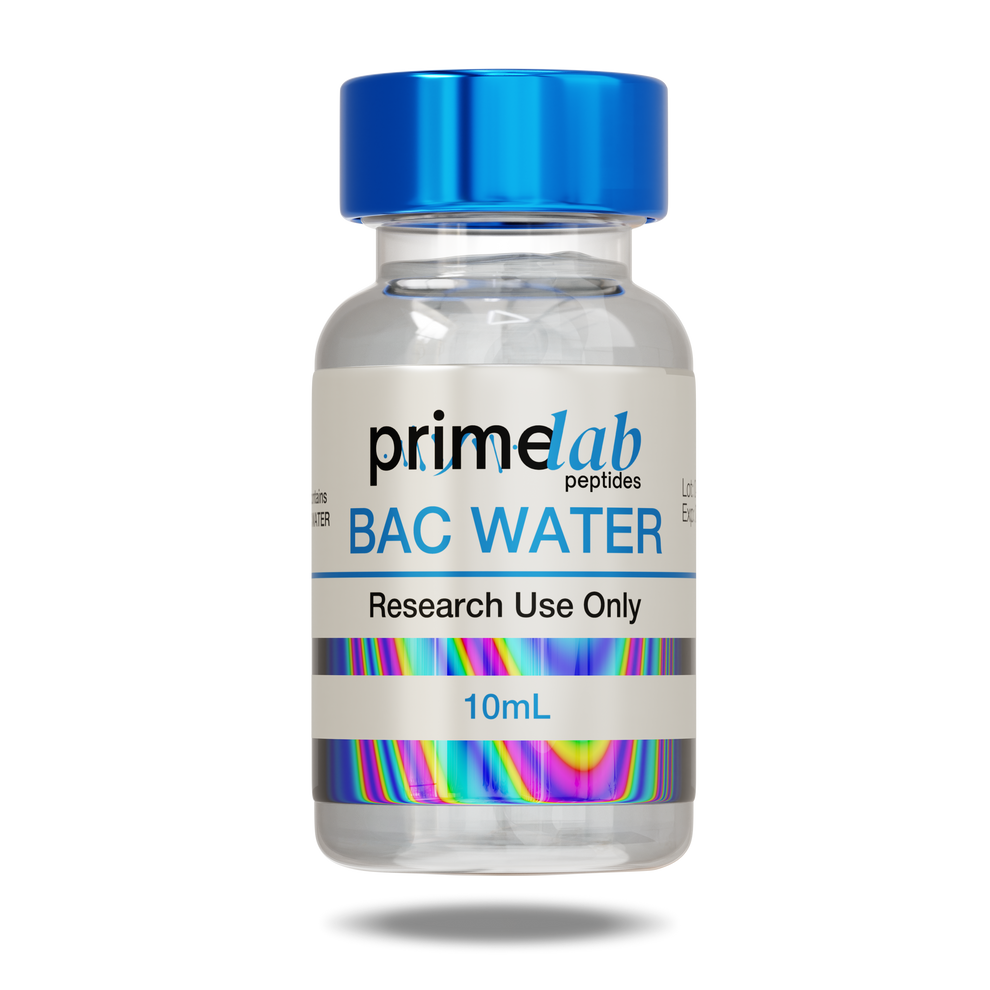
• 8 wks 2×/day ≈ 112 - Bacteriostatic Water: 2–3× 10 mL bottles (reconstitute each vial with 2–3 mL)
- Alcohol Swabs: 1 box
" /></div>)


Protocol Overview
Concise summary of two commonly referenced research schedules designed for practical syringe measurements.
- Standard: 200–300 mcg once daily (3 mL dilution keeps ≥10 units)
- Advanced: 250 mcg twice daily (2 mL dilution → 10 units per injection)
- Cycle: 4–8 weeks depending on study aim and observations
- Reconstitution: ≤3 mL per vial; record concentration on label
- Storage: Lyophilized at −20 to −80 °C; reconstituted at 2–8 °C; avoid freeze–thaw
Dosing Protocol
Design notes for daily subcutaneous administrations in research contexts.
- Per-injection targets: 200–300 mcg (Standard) or 250 mcg (Advanced, 2×/day)
- Frequency: 1× daily (Standard) or 2× daily (Advanced)
- Timing: Consistent timing from day to day improves study comparability
- Escalation: If escalating from 200→300 mcg, maintain per-injection units ≥10
- Documentation: Log lot numbers, concentrations, and injection sites
Storage Instructions
Follow lab SOPs and manufacturer guidance.
- Lyophilized: Store sealed at −20 to −80 °C; allow to reach room temp before opening to avoid moisture uptake
- Reconstituted: Store at 2–8 °C; aliquot to avoid repeated freeze–thaw
- BUD context: Compounding references (USP <797>) note 28-day limits for preserved multi-dose containers when properly prepared and stored; follow your SOPs
Important Notes
- Research-only: Not approved for human or veterinary use. Pure Lab Peptides products are for research purposes only.
- Sport compliance: BPC-157 is prohibited by WADA; researchers working with athletes must observe anti-doping regulations.
- Measurement precision: Keep per-injection readings ≥~10 units when feasible; consider 30-/50-unit syringes if designing ≤150 mcg doses.
- Site rotation & asepsis: Rotate injection sites and maintain sterile technique per lab protocols.
How This Works
Key mechanisms reported in preclinical literature:
- Angiogenesis: Engagement of VEGFR2–Akt–eNOS signaling; pro-angiogenic effects in ischemia and tube-formation assays
- NO System Modulation: Endothelium-dependent vasodilation influenced by nitric-oxide pathways
- Cytoprotection: Protection of GI mucosa and multi-organ tissues consistent with “cytoprotection” frameworks
- Tendon/Soft-Tissue Models: Accelerated healing and cell migration in tendon and myotendinous junction studies
Potential Research Observations & Considerations
Preclinical studies have reported improved healing markers in GI and musculoskeletal models; robust human safety/efficacy data are limited. Observed considerations in research contexts may include:
- Injection-site irritation or erythema
- Unknown long-term systemic effects; dose–response in humans is not established
- Regulatory and anti-doping compliance requirements
Lifestyle Factors
To improve reproducibility and data quality:
- Standardize timing, injection technique, and site rotation
- Document concurrent variables (diet, activity protocols, recovery periods)
- Use validated outcome measures and consistent follow-up intervals
Injection Technique
General laboratory guidance for subcutaneous administrations:
- Clean stopper & target area with alcohol swabs; use new sterile syringes
- Insert needle at ~45–90° into subcutaneous tissue and inject slowly
- Dispose of sharps per institutional biosafety procedures
Recommended Source
We recommend Prime Lab Peptides for high-purity BPC-157 (5mg).
Why Prime Lab Peptides?
- Independent lab testing with Certificates of Analysis
- Consistent quality aligned with rigorous manufacturing practices
- Transparent sourcing and responsive researcher support
Important Note
This guide is for educational research purposes only. It does not provide medical advice, diagnosis, or treatment recommendations. Pure Lab Peptides products are for research use only and are not approved for human or veterinary use.
References
Orthop Sports Med Review
— Emerging use of BPC-157; regulatory context & safety overview
References
-
Journal of Pharmacological Sciences
— Klicek R et al. BPC-157 promotes colocutaneous fistula healing via NO-system modulation (rat model) -
Pharmaceuticals (MDPI)
— Józwiak M et al. Multifunctionality and possible medical application of BPC-157: literature and patent review (2025) -
Current Pharmaceutical Design (PMC)
— Sikiric P et al. BPC-157 stable gastric pentadecapeptide: novel therapy for wound healing and tissue repair -
Life Sciences
— Seiwerth S et al. BPC-157 and standard angiogenic growth factors: gastrointestinal tract healing and beyond -
HSS Journal (PubMed)
— Vasireddi N et al. Emerging use of BPC-157 in orthopaedic sports medicine: systematic review (2025) -
Journal of Orthopaedic Research
— Chang CH et al. BPC-157 promotes tendon-to-bone healing in a rat rotator cuff model -
WHO (NCBI Bookshelf)
— Guideline on safety-engineered syringes for IM, ID, and SC injections in health care settings (2016) -
Johns Hopkins Arthritis Center
— How to give a subcutaneous injection (patient education resource) -
ClinicalTrials.gov
— NCT02637284: PCO-02 Phase I safety and pharmacokinetics trial of oral BPC-157 -
CDC
— Vaccine administration: subcutaneous route (angle/site; no aspiration) -
Subcutaneous Drug Injection Review (PMC)
— Pharmacologic considerations of the subcutaneous route -
World Journal of Gastroenterology (PMC)
— Sikiric P et al. Pentadecapeptide BPC-157: from GI tract to whole body healing -
Prime Lab Peptides
— BPC-157 (5 mg) product page (quality and batch documentation)