

Quickstart Highlights
AOD-9604 (human growth hormone fragment 177–191) is a short peptide investigated for its effects on fat metabolism. In preclinical and early clinical research, it has shown lipolytic and anti‑lipogenic activity without elevating IGF‑1 or impairing glucose tolerance. This page provides an educational dosing and reconstitution framework commonly used for daily subcutaneous administration.
- Typical educational starting dose: 200–300 mcg once daily; gradual titration to 400–500 mcg as tolerated
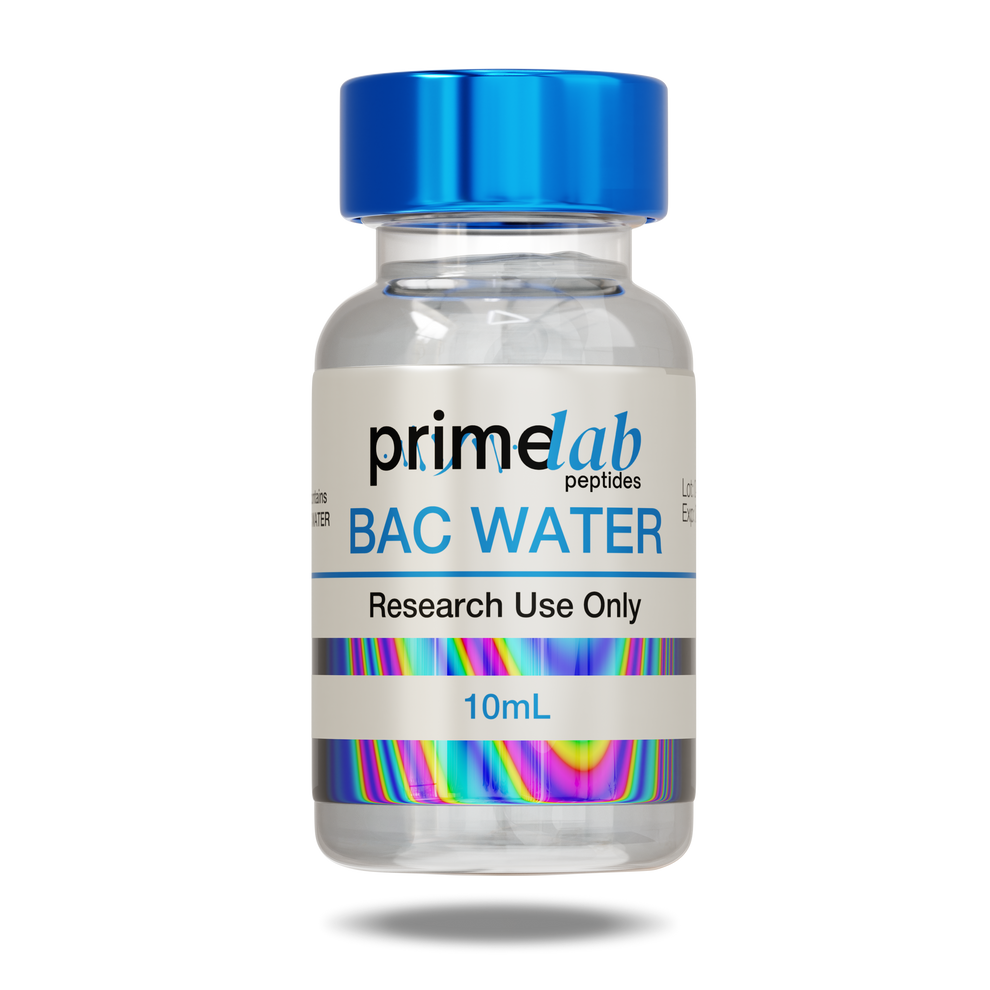
- Reconstitution: Add 3.0 mL bacteriostatic water to the 2 mg vial (≈0.667 mg/mL)
- Syringe math (100‑unit insulin syringe): 10 units ≈ 0.10 mL ≈ 66.7 mcg
- Storage: Keep lyophilized vials frozen (≈ −20 °C); refrigerate reconstituted solution (2–8 °C), protected from light
- Frequency: Once daily subcutaneous injection (e.g., morning); maintain consistent timing

 Important: Before viewing any protocol, please consult our Prep & Injection Guide for essential preparation and safety instructions.
Dosing & Reconstitution Guide
Educational guide for reconstitution and daily dosing
Standard / Gradual Approach (3 mL = 0.667 mg/mL)
| Week | Daily Dosage | Units (per injection) with mL |
|---|---|---|
| Weeks 1–2 | 200 mcg (0.2 mg) | 30 units (0.30 mL) |
| Weeks 3–4 | 300 mcg (0.3 mg) | 45 units (0.45 mL) |
| Weeks 5–6 | 400 mcg (0.4 mg) | 60 units (0.60 mL) |
| Weeks 7–8 | 500 mcg (0.5 mg) | 75 units (0.75 mL) |
| Weeks 9–12 (optional) | 500 mcg (0.5 mg) | 75 units (0.75 mL) |
Math check: With 2 mg reconstituted to 3.0 mL, concentration ≈ 0.667 mg/mL (≈ 666.7 mcg/mL). Each syringe unit (0.01 mL) ≈ 6.67 mcg. Therefore, 200 mcg ≈ 30u; 300 mcg ≈ 45u; 400 mcg ≈ 60u; 500 mcg ≈ 75u.
Reconstitution steps:
- Draw 3.0 mL bacteriostatic water into a sterile syringe.
- Inject slowly down the vial wall; avoid foaming.
- Gently swirl until dissolved; do not shake vigorously.
- Label the vial and refrigerate (2–8 °C), protected from light.
Note: If you prefer to keep injection volume ≤ 0.5 mL at higher daily doses, some practitioners instead reconstitute with 2.0 mL (1 mg/mL), making 500 mcg = 0.50 mL (50 units). Do not exceed 3 mL per vial.
Supplies Needed
Plan based on the Standard / Gradual Approach above. Totals assume once‑daily injections.
- Peptide Vials (AOD-9604, 2 mg each):
• 8 weeks ≈ 10 vials (≈19.6 mg total)
• 12 weeks ≈ 17 vials (≈33.6 mg total)
• 16 weeks ≈ 24 vials (≈47.6 mg total) - Insulin Syringes (100‑unit):
• 8 weeks ≈ 56
• 12 weeks ≈ 84
• 16 weeks ≈ 112
For finer increments, 50‑unit or 30‑unit syringes can improve precision; 30–75 units per injection are expected with the 3 mL reconstitution. - Bacteriostatic Water: About 3 mL per vial
• 8 weeks ≈ 30 mL
• 12 weeks ≈ 51 mL
• 16 weeks ≈ 72 mL - Alcohol Swabs: 1 box
" /></div>)


Protocol Overview
A concise summary of this once‑daily regimen.
- Primary goal: Support fat‑metabolism‑focused body‑composition efforts
- Schedule: Subcutaneous injections, 1× daily, for 8–12 weeks (extend to 16 weeks if desired)
- Educational dose range: 0.2–0.5 mg per day
- Reconstitution: 3.0 mL per 2 mg vial (≈0.667 mg/mL) keeps syringe units ≥10
- Storage: Lyophilized ≈ −20 °C; after mixing, refrigerate at 2–8 °C; avoid repeated freeze–thaw
Dosing Protocol
Gradual titration helps assess individual tolerance while keeping measurements practical on an insulin syringe.
- Start: 200–300 mcg once daily
- Titrate: Increase by ~100 mcg every 2 weeks toward 400–500 mcg once daily
- Cycle length: 8–12 weeks (optional 4‑week extension at 500 mcg/day)
- Timing: Any consistent time of day (many choose mornings)
- Concentration tip: If volume feels large at 500 mcg (0.75 mL with 3 mL dilution), consider 2.0 mL reconstitution to reduce per‑injection volume to 0.50 mL
Storage Instructions
Proper storage helps preserve peptide integrity.
- Lyophilized: Store at approximately −20 °C, protected from light
- Reconstituted: Refrigerate at 2–8 °C; consider aliquoting to avoid repeated freeze–thaw
- General guidance: Many peptides are stable for about a week at 4 °C in solution; colder storage and minimizing pH extremes can improve stability
Important Notes
Context and considerations drawn from published research.
- Evidence base: Human obesity trials primarily used oral dosing (e.g., 1 mg/day) with mixed efficacy findings. High‑quality studies of daily subcutaneous dosing for body‑weight outcomes remain limited.
- Metabolic profile: Across early trials, AOD‑9604 did not increase IGF‑1 and did not worsen glucose tolerance, contrasting with full‑length hGH.
- Cartilage research: Preclinical intra‑articular models (e.g., rabbits) explored joint effects at 0.25 mg per injection; these data do not establish systemic dosing for humans.
- Technique: Rotate injection sites; inject slowly; use sterile supplies and sharps containers.
- Safety first: Discontinue use and consult a qualified professional if significant adverse reactions occur.
How This Works
AOD‑9604 corresponds to the C‑terminal region of hGH (177–191) that retains fat‑metabolism activity while minimizing classical growth‑related actions. In cell and animal studies, the fragment reduced lipogenesis, increased lipolysis, and improved fat oxidation. Mechanistically, it is associated with increased β3‑adrenergic receptor expression in adipose tissue and favorable shifts in energy balance. Clinical safety summaries report no increases in IGF‑1 and a placebo‑like tolerability profile.
- Lipid metabolism: Decreases lipogenesis and supports lipolysis
- Energy expenditure: Increases fat oxidation in preclinical models
- Hormonal neutrality (comparative): Does not raise IGF‑1 in trials that measured it
Potential Benefits & Side Effects
Observations from laboratory, animal, and early human studies.
- May support fat‑metabolism‑oriented body‑composition strategies
- Generally well tolerated in early clinical studies; no notable effect on IGF‑1 or glucose tolerance
- Commonly reported mild effects: headache, transient nausea, or injection‑site irritation
- Clinical weight‑loss efficacy findings have been mixed across trials
Injection Technique
Simple guidelines for safe daily subcutaneous administration.
- Clean the vial stopper and skin with alcohol swabs
- Pinch subcutaneous tissue (abdomen, thigh, or posterior upper arm); insert needle at 45–90°
- Inject slowly and steadily; rotate sites to minimize irritation
- Dispose of sharps responsibly
Lifestyle Factors
Supportive strategies that align with the research.
- Follow a nutrient‑dense diet emphasizing adequate protein and fiber
- Combine aerobic and resistance training; prioritize sleep and recovery
- Limit alcohol and ultra‑processed foods; manage stress
Recommended Source
Why Prime Lab Peptides?
- Emphasis on purity, identity, and consistency
- Independent quality verification and rigorous controls
- Reliable fulfillment for labs and educational settings
Important Note
This content is intended for therapeutic educational purposes only and does not constitute medical advice. Always consult a qualified healthcare professional before initiating or modifying any protocol.
References
Stier H, Vos E, Kenley D.
Heffernan MA et al.
Heffernan M et al.
Kwon DR, Park GY.
FDA Docket Summary (2024).
Isidro ML.
References
-
Endocrinology (OUP)
— hGH and AOD‑9604: lipid metabolism, β‑adrenergic pathway insights (preclinical) -
PubMed
— Metabolic studies of AOD‑9604 in obese rodents (oral dosing, fat oxidation) -
Obesity Pharmacotherapy Review (PMC)
— AOD‑9604 overview; RCT summary (~1 mg/day oral; modest weight loss) -
Central & Peripheral Anti‑Obesity Targets (PMC)
— RCT summary of AOD‑9604 (1 mg/day oral) -
Journal of Endocrinology & Metabolism (2013)
— Safety & tolerability of AOD‑9604 in humans (no IGF‑1 increase; placebo‑like safety) -
Journal of Endocrinology & Metabolism (2014)
— Safety & metabolism overview across six human studies (IV and oral) -
CDC
— Vaccine administration: subcutaneous route (angle/site; no aspiration) -
CDC (Subcut Injection PDF)
— Technique diagram and site guidance for subcutaneous injections -
NCBI Bookshelf
— Best practices for injection (asepsis, preparation, and administration) -
Subcutaneous Drug Injection Review (PMC)
— Pharmacologic considerations of the subcutaneous route -
Prime Lab Peptides
— AOD‑9604 (2 mg) product page (quality and batch documentation)