

Quickstart Highlights
TB-500 & BPC-157 dosage protocol combines two research peptides often used together for synergistic tissue repair and recovery.
- TB-500 (5 mg/week standard) injected once or twice weekly
- BPC-157 ~500 mcg/day (can be split into 1–2 daily doses)
- Recommended 4–6 week cycle or longer, based on research needs
- Reconstitute each vial with bacteriostatic water up to 3 mL
- Store the reconstituted solution at 2–8 °C (refrigerator), protected from light.
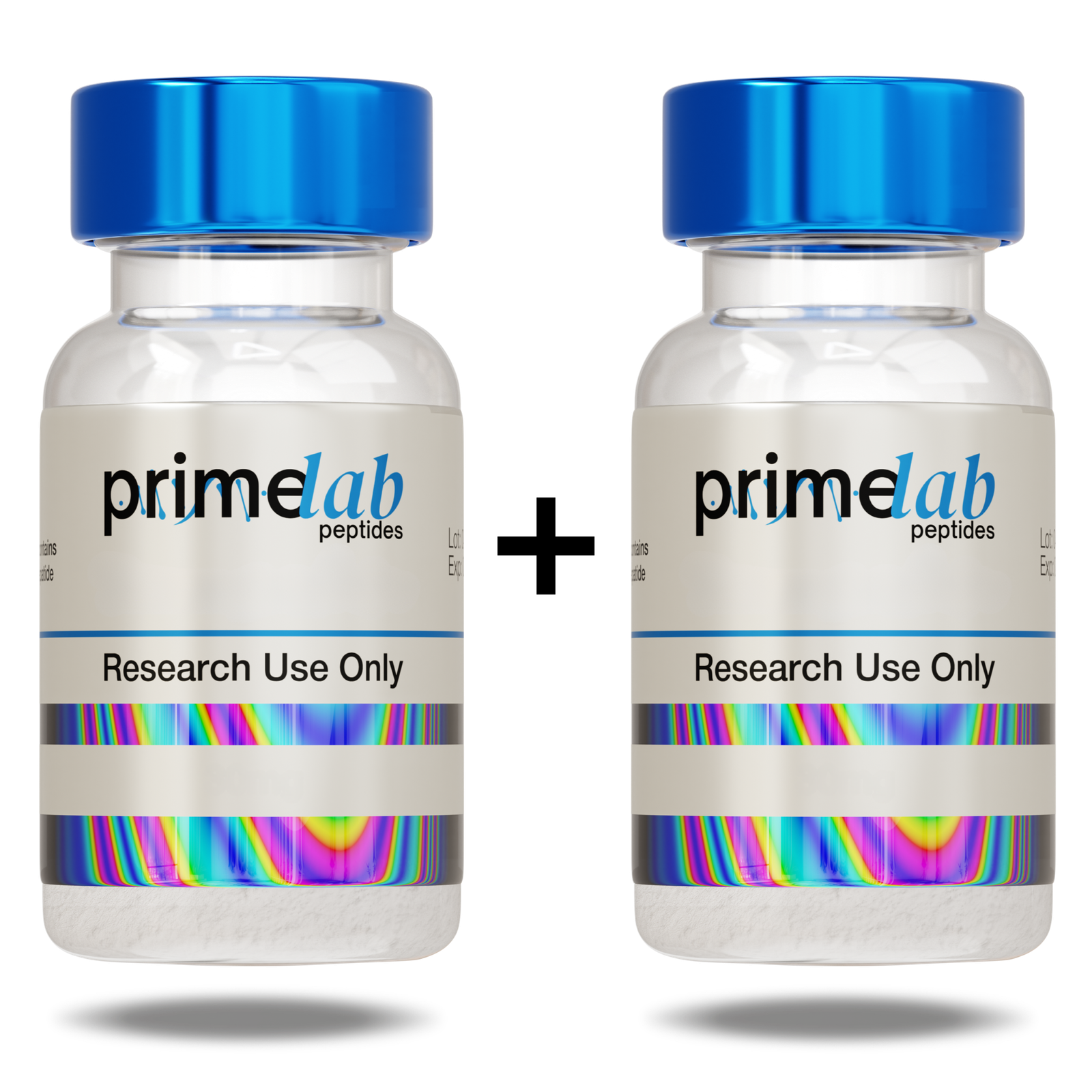
 Important: Before viewing any protocol, please consult our Prep & Injection Guide for essential preparation and safety instructions.
Dosing & Reconstitution Guide
Educational guide for reconstitution and daily dosing
TB-500 (5 mg Vial): Standard / Gradual Approach
Reconstitute with 2 mL of bacteriostatic water to achieve a concentration of 2.5 mg/mL. Each full vial = 5 mg total.
| Week | Weekly Total | Per Injection | Units (mL) | Frequency |
|---|---|---|---|---|
| Weeks 1–4 | 5 mg/week | 2.5 mg | ~100 units (1 mL) | 2× per week |
This approach splits the 5 mg weekly dose into two subcutaneous injections. At 2.5 mg per injection, you’ll draw about 1 mL (100 units) if reconstituted to 2 mL total.
- Draw 2.0 mL of bacteriostatic water into a sterile syringe.
- Inject slowly along the vial wall to minimize foam.
- Gently swirl the vial—avoid vigorous shaking.
- Store the reconstituted solution at 2–8 °C (refrigerator), protected from light.
Gradually taper from 2 smaller doses to a single daily dose if desired. With 2 mL total volume, 1 mg is ~0.4 mL (40 units). Typical ~500 mcg/day usage remains easy to measure above 10 units.
TB-500 (5 mg Vial): Advanced / Aggressive Approach
Reconstitute with 1 mL of bacteriostatic water for a 5 mg/mL solution.
| Week | Weekly Total | Per Injection | Units (mL) | Frequency |
|---|---|---|---|---|
| Weeks 1–4 | 10 mg/week | 5 mg | ~100 units (1 mL) | 2× per week |
An advanced protocol may push to 10 mg weekly by administering 5 mg twice per week. Mixing with just 1 mL of water yields ~5 mg per 1 mL (100 units). If 5 mg in a single injection feels too high, split it into smaller doses.
- Draw 1.0 mL of bacteriostatic water into a sterile syringe.
- Inject slowly along the vial wall.
- Gently swirl—avoid vigorous shaking.
- Store the reconstituted solution at 2–8 °C (refrigerator), protected from light.
BPC-157 (5 mg Vial): Standard / Gradual Approach
Reconstitute with 2 mL of bacteriostatic water, resulting in 2.5 mg/mL. Ideal for daily or split-daily injections.
| Week | Daily Total (mcg) | Per Injection | Units (mL) | Frequency |
|---|---|---|---|---|
| Weeks 1–2 | 500 mcg/day | 250 mcg | ~10 units (0.1 mL) | 2× per day |
| Weeks 3–4 | 500 mcg/day | 500 mcg | ~20 units (0.2 mL) | 1× per day |
Gradually taper from 2 smaller doses to a single daily dose if desired. With 2 mL total volume, 1 mg is ~0.4 mL (40 units). Typical ~500 mcg/day usage remains easy to measure above 10 units.
- Draw 2.0 mL of bacteriostatic water into a sterile syringe.
- Inject along the vial wall slowly to reduce foaming.
- Gently swirl—avoid shaking vigorously.
- Store the reconstituted solution at 2–8 °C (refrigerator), protected from light.
BPC-157 (5 mg Vial): Advanced / Aggressive Approach
Reconstitute with 1 mL of bacteriostatic water for a 5 mg/mL concentration.
| Week | Daily Total (mcg) | Per Injection | Units (mL) | Frequency |
|---|---|---|---|---|
| Weeks 1–2 | 750 mcg/day | ~375 mcg | ~7.5 units (0.075 mL) | 2× per day |
| Weeks 3–4 | 500 mcg/day | 500 mcg | ~10 units (0.1 mL) | 1× per day |
Smaller injection volumes can be harder to measure. If going below ~10 units, consider using a 50-unit or 30-unit syringe for better accuracy.
- Draw 1.0 mL of bacteriostatic water into a sterile syringe.
- Inject slowly; gently swirl until dissolved.
- Store the reconstituted solution at 2–8 °C (refrigerator), protected from light.
Combining TB-500 & BPC-157 in a Stack
You can run both peptides simultaneously:
- TB-500: 5–10 mg weekly (1–2 injections each week)
- BPC-157: ~500 mcg/day, or an advanced protocol up to ~750 mcg/day
- Each peptide reconstituted in its own vial; do not mix in the same syringe
Users often report synergistic recovery effects with both peptides. Administering them on the same day is fine; just use separate syringes and injection sites if desired.
Supplies Needed
Basic materials for a 4–6 week cycle.
- Peptide Vials:
• TB-500 (5 mg Vial)
• BPC-157 (5 mg Vial)
(Adjust based on total duration) - Insulin Syringes: 1 per injection (30–100 unit size)
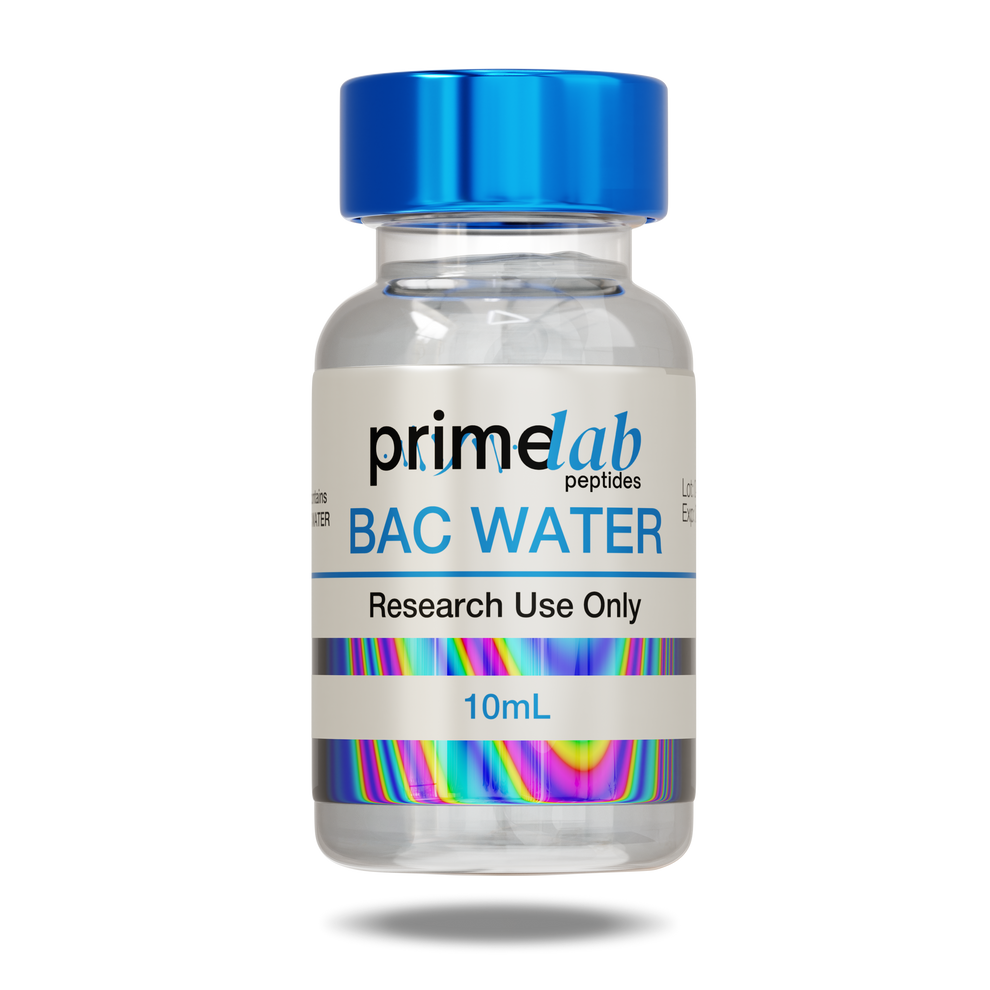
- Bacteriostatic Water: 1× 30 ml or as needed
- Alcohol Swabs: 1 box
 & BPC-157 (5mg Vial)" /></div>)


Protocol Overview
A concise weekly (TB-500) and daily (BPC-157) injection strategy.
- Goal: Tissue repair and accelerated recovery
- TB-500: 5–10 mg per week, administered 1–2× weekly
- BPC-157: 500–750 mcg per day, split into 1–2 doses
- Cycle Length: Generally 4–6 weeks, extend if needed
- Reconstitution: Aim for 2 mL total for simpler measuring
Dosing Protocol
Recommended approach for combining both peptides effectively.
- Injection Method: Subcutaneous, rotating sites
- TB-500 Schedule: Typically 2 injections per week (e.g., Monday & Thursday)
- BPC-157 Schedule: Daily or split daily for Weeks 1–4, optional taper afterward
- Timing: Separate syringes; no need for precise timing alignment
- Duration: 4+ weeks, re-assess based on progress
Storage Instructions
Proper handling preserves peptide quality.
- Lyophilized: Keep frozen until ready to mix
- Reconstituted: Store at 2–8°C; use within 30 days
- Protect from light; keep vials upright if possible
- Avoid repeated freeze-thaw cycles
Important Notes
Tips for safe, consistent usage.
- Use new, sterile insulin syringes every time; rotate injection sites.
- Maintain consistent protocol; peptides often show best results with regular use.
- Monitor for adverse reactions; consult a professional if needed.
- Do not mix TB-500 and BPC-157 in the same syringe.
How This Works
Both peptides are known for supporting tissue repair in various research settings.
- TB-500 (Thymosin Beta-4 Fragment): May aid in cell migration and angiogenesis.
- BPC-157: Investigated for potential benefits in gut healing and collagen synthesis.
- They work via distinct biological mechanisms but often stack well for synergistic effects.
Potential Benefits & Side Effects
Research suggests various therapeutic benefits, with some caution advised.
- May accelerate soft tissue repair and reduce inflammation
- Possible support for tendon, ligament, and muscle recovery
- Mild side effects reported: injection-site irritation, headache, dizziness
- Long-term safety remains under study
Injection Technique
Simple guidelines for safe daily injections.
- Clean vial rubber stopper & injection site with alcohol swabs
- Insert needle at a 45–90° angle into subcutaneous tissue
- Inject slowly & rotate sites (abdomen, thigh, etc.)
Lifestyle Factors
Simple habits can complement peptide usage.
- Adopt a balanced, protein-rich diet
- Engage in regular exercise; allow sufficient recovery
- Focus on stress management and adequate sleep
Recommended Source
We recommend Pure Lab Peptides for high-purity BPC-157 + TB-500 blend.
Why Pure Lab Peptides?
- Verifies ≥99% purity through independent lab testing
- Trusted by researchers seeking reliable results
- Follows rigorous manufacturing standards for consistent quality
Important Note
This guide is for educational purposes only. Always consult a qualified healthcare provider before starting or modifying any therapy.
References
FDA Document– Regulations Submission (Attachment 4)
References
-
Frontiers in Endocrinology (2021)
— Progress on the Function and Application of Thymosin β4 -
Annals of the New York Academy of Sciences
— Thymosin β4: roles in development, repair, and engineering of the cardiovascular system -
Frontiers in Pharmacology (2022)
— Pharmacokinetics, distribution, metabolism, and excretion of BPC-157 -
HSS Journal (2025)
— Emerging Use of BPC-157 in Orthopaedic Sports Medicine: A Systematic Review -
Current Pharmaceutical Design (2018)
— Stable Gastric Pentadecapeptide BPC 157: Novel Therapy in Gastrointestinal Tract -
Journal of Orthopaedic Surgery and Research (2019)
— BPC 157 and its effects on tendon healing -
CDC (2024)
— Vaccine Administration: Subcutaneous (SUBCUT) Injection -
NCBI Bookshelf (2023)
— Administration of Parenteral Medications – Nursing Skills -
CDC (NCHS)
— Laboratory Procedure Manual: C-Peptide in Serum (storage guidelines) -
CDC (2023)
— General Best Practice Guidelines for Immunization: Vaccine Administration -
Pure Lab Peptides
— TB-500 (5 mg) product page -
Pure Lab Peptides
— BPC-157 (5 mg) product page