
Pielotax (Kidney Bioregulator) Dosage Protocol
The Khavinson “Cytomax” kidney preparation, sold under the A-9 designation as an oral capsule — a peptide complex extracted from animal kidney tissue, not a synthetic short peptide. Taken as a monthly course, not titrated. The published work concerns the kidney peptide complex and its short-peptide analogs in rats and cell culture; the branded capsule itself has no published clinical trial. Not FDA-approved.

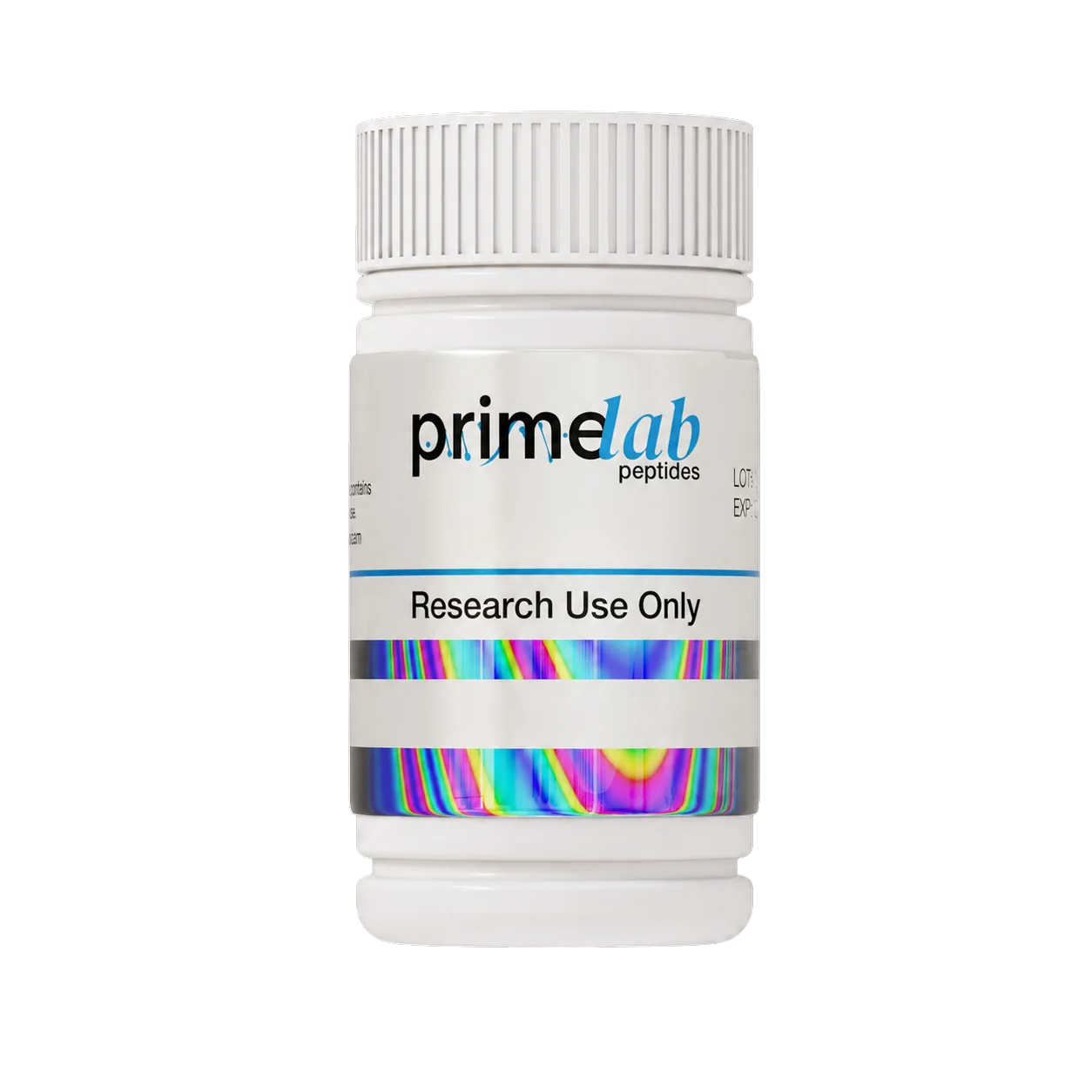
The kidney member of the Khavinson Cytomax family, sold under the A-9 designation. It is a natural peptide complex fractionated from animal kidney tissue and presented as an oral capsule, not a synthetic short peptide and not an injectable. Its exact composition is proprietary, so identity depends on the manufacturer rather than on a verifiable sequence.
Course-based and fixed, not titrated: 1-2 capsules once or twice daily with food for about 30 days, repeated two to three times a year. A 60-capsule pack corresponds to a standard course. There is no reconstitution and no per-kilogram calculation. This schedule is the manufacturer convention, not a regimen established in a clinical trial.
The publishable science is real but indirect. In rats with cisplatin-induced acute renal failure, a kidney polypeptide complex and the short peptides EDL and AEDG normalised diuresis, urinary creatinine, glomerular filtration rate and sodium resorption, with EDL showing the strongest nephroprotective effect. In ageing renal cell culture, the tripeptides AED and EDL increased proliferation and lowered the senescence markers p16, p21 and p53 while raising SIRT-6. Both are animal or in-vitro studies from the originating group. The branded capsule has no published clinical trial, and the kidney preparation is absent from Khavinson’s own lists of clinically studied bioregulators.
Quickstart Highlights
Pielotax is the kidney preparation in the Khavinson “Cytomax” line — a family of organ-specific peptide complexes developed at the St Petersburg Institute of Bioregulation and Gerontology[3]. Vendors list it under the catalogue designation A-9, and it is sold as an oral capsule in 20-capsule and 60-capsule packs, most commonly as a 155 mg capsule containing roughly 10 mg of kidney peptide complex with fillers making up the rest.
Two things matter before any dosing discussion. First, Pielotax is a natural extract, not a defined molecule: it is a mixture of low-molecular-weight peptides fractionated from animal kidney tissue, so its exact composition is proprietary and batch-dependent — unlike a synthetic tetrapeptide whose sequence you can verify. Second, the evidence question. There is genuine published work on kidney peptide preparations and their short-peptide analogs, in rats and in cell culture[1][2]. But when Khavinson’s own flagship review lists the organ preparations that reached clinical trials — thymus, pineal, prostate, cerebral cortex, eye retina[3] — and when the group’s dedicated clinical-results review lists Timalin, Thymogen, Vilon, Epithalamin, Prostatilen, Cortexin and Retinalamin[4], the kidney preparation appears in neither. This is an educational reference, not medical advice; Pielotax is a supplement in Russia and the EU and is not FDA-approved.
Supplies Needed
Pielotax is an oral capsule, so there is no reconstitution kit and no injection equipment. The only thing that matters is a genuine, well-stored product from a source you trust — being a natural extract rather than a defined synthetic peptide, identity and manufacturing quality matter more here, not less.
Protocol Overview
Pielotax belongs to the Cytomax series: organ-specific peptide complexes prepared by extracting low-molecular-weight peptide fractions from the corresponding tissue of young animals[3]. The programme’s founding observation was tissue specificity — a pineal preparation stimulated outgrowth of pineal explants but not of other tissues, and preparations from other organs stimulated their own[3]. Pielotax is the kidney entry in that series, sold under the A-9 designation as an oral capsule.
The supporting science splits cleanly in two, and keeping the halves apart is the whole of an honest reading. On one side there is real, indexed work on kidney peptides: a rat study of cisplatin-induced acute renal failure in which a kidney polypeptide complex and the peptides EDL and AEDG normalised diuresis, urinary creatinine, glomerular filtration rate and sodium resorption[1], and a renal cell-culture study in which the tripeptides AED and EDL raised proliferation and SIRT-6 while lowering the senescence markers p16, p21 and p53[2]. On the other side there is the capsule, for which no clinical trial has been published, and which does not appear in the Khavinson group’s own summaries of clinically studied bioregulators[3][4]. Pielotax is a supplement in Russia and the EU and is not FDA-approved.
Dosing Protocol
Because Pielotax is an oral capsule, the “protocol” below is a course schedule rather than a reconstitution ladder. These figures are the manufacturer and vendor convention shared across the Cytomax family, not a clinically validated regimen.
| Parameter | Typical | Notes |
|---|---|---|
| Capsule | ~155 mg; ~10 mg kidney peptide complex | Oral; no reconstitution |
| Daily amount | 1–2 capsules, 1–2× daily | Taken with food |
| Course | ~30 days | A 60-capsule pack = one course at 2/day |
| Repeat | 2–3 courses per year | Conventional “pulse” pattern, not trial-derived |
| What is published[1][2] | Rat and cell-culture data on kidney complex / AED / EDL | No clinical trial of the capsule |
Why Pielotax draws research interest
These are the directions researchers and the peptide community most often explore Pielotax for — so you know you’re in the right place. They describe what is being studied, not proven benefits, approved uses, or promised results.
Kidney & urinary support
The published work covers kidney peptide complex and the peptides AED/EDL in rats — the capsule has no clinical trial.
Cellular ageing & senescence
In ageing renal cell culture, AED and EDL lowered the markers p16, p21 and p53 and raised SIRT-6.
Peptide bioregulator courses
The 30-day course pattern is a manufacturer convention shared across the Cytomax family, not a trial-derived schedule.
Evidence ranges from early laboratory work to clinical trials depending on the use — the sections below cover the actual data and sources.
An oral capsule (commonly 155 mg containing ~10 mg kidney peptide complex), sold in 20- and 60-capsule packs. No reconstitution, no needle.
1–2 capsules, once or twice daily, with food, for a ~30-day course; typically repeated 2–3 times a year. A 60-capsule pack is built around one such course.
A natural peptide complex extracted from animal kidney tissue — a mixture, not a defined synthetic sequence. Composition is proprietary and batch-dependent.
Oral Dosing Guide
Pielotax is dosed like a supplement course, not a titrated drug: capsules taken daily for a set number of days, then a break, repeated a few times a year. What follows is that conventional schedule, stated honestly against the fact that the published data concern the kidney peptide complex and its analogs in animals and cell culture, not this capsule in people[1][2].
Standard / Gradual Approach
The label convention across vendors is 1–2 capsules, once or twice daily, taken with food, for a course of about 30 days. Sixty-capsule packs are sold precisely as a one-month course at two capsules a day; 20-capsule packs suit a shorter or lower-intensity course. Courses are conventionally repeated two to three times a year rather than taken continuously[3].
The capsule is the dosing unit and there is nothing to calculate — no reconstitution, no syringe volume, no per-kilogram scaling. A typical capsule is around 155 mg total containing roughly 10 mg of kidney peptide complex, with the balance being excipients, so the peptide load per day at two capsules is on the order of 20 mg of a proprietary mixture.
The honest limit is that this schedule has no trial behind it. It is the manufacturer’s course pattern, shared across the whole Cytomax family regardless of organ. The pulsed “course then break” structure is a convention of the tradition, not a pharmacokinetically derived interval, and no published study has compared one course length with another or established a dose-response for the kidney preparation[3][4].
Storage Instructions
Keep the capsules in their original sealed container, cool, dry and out of direct light, as you would any peptide-containing supplement. Refrigeration is not usually required for the dry capsule, but heat and humidity are the enemies of peptide stability, so a bathroom cabinet is a poor choice.
Because this is an extract rather than a defined molecule, provenance is part of storage: keep the packaging and batch details, buy from vendors who supply them, and discard capsules that have changed colour, clumped or developed an odour. There is no sequence you can verify after the fact, so the chain of custody is the only quality signal you have.
Important Notes
These are the points most often lost when a Cytomax capsule is marketed as a targeted “kidney repair” peptide.
- ▪It is an extract, not a peptide with a sequence: Pielotax is a proprietary mixture of peptides fractionated from animal kidney tissue. There is no sequence, mass or purity you can independently confirm, and batches are not guaranteed identical — a different situation from the synthetic short peptides elsewhere on this site.
- ▪The kidney preparation has no published clinical trial: Khavinson’s own 2002 review names prostate, cerebral cortex and retina preparations among those clinically trialled[3], and the group’s 2013 clinical-results review lists Timalin, Thymogen, Vilon, Epithalamin, Prostatilen, Cortexin and Retinalamin[4]. The kidney preparation is in neither list.
- ▪The good rat data are about injury, not maintenance: the cisplatin study modelled acute renal failure and measured recovery of function[1]. Nothing in it speaks to taking the capsule while healthy, and the strongest effect in that study belonged to the defined tripeptide EDL, not to the extract.
- ▪Do not read the A-number as a grade: “A-9” is a catalogue designation for the kidney entry in the series, nothing more. Note also that vendor A-numbers are inconsistently reproduced across resellers, so match the organ name on the label, not the number.
- ▪Kidney symptoms are not a self-treatment target: changes in urine output, swelling, blood pressure or blood chemistry are reasons to see a clinician and get renal function measured, not reasons to start a supplement course. Anyone with existing kidney disease is also, by definition, the person for whom an unverified proprietary extract carries the most risk.
- ▪Not FDA-approved: Pielotax is sold as a supplement in Russia and parts of the EU. It is not an approved drug anywhere for the conditions it is marketed around, and it is not regulated as one.
How This Works
The proposed mechanism for the whole bioregulator family is peptide regulation of gene expression. Khavinson’s peptide theory of ageing holds that ageing involves a decline in the synthesis of regulatory and tissue-specific peptides, and that supplying short peptides can influence the transcription of the affected genes[3]. The design principle followed from the amino-acid composition of the organ extracts: dipeptides and tetrapeptides were built to reproduce the tissue-specific activity of the corresponding complex[3].
For the kidney specifically, the concrete findings sit with the short peptides. In ageing renal cell culture, the tripeptides AED and EDL increased cell proliferation, lowered expression of the senescence markers p16, p21 and p53, and raised SIRT-6, whose loss is one driver of cellular senescence; molecular-docking models in the same paper put both peptides in the minor groove of AT-rich DNA, which is the proposed route from peptide to gene expression[2]. In whole animals, the kidney polypeptide complex and the peptides EDL and AEDG restored diuresis, urinary creatinine, glomerular filtration rate and sodium handling in rats with cisplatin-induced acute renal failure, EDL being the most effective[1].
The honest qualification is the gap between that mechanism and this product. The DNA-binding account is modelled and correlative rather than demonstrated as the operative pathway in a living kidney, essentially all of the work comes from the originating institute with little independent replication, and the studies use defined peptides or an injected complex — not an orally swallowed capsule of extract, which must survive digestion before any of this could apply. That last step is the one no published study of Pielotax has taken.
Lifestyle Factors
For kidney health the evidence-backed levers are unglamorous and genuinely powerful: controlling blood pressure and blood glucose, staying hydrated, moderating salt and excess protein, avoiding chronic NSAID use, not smoking, and having renal function checked with a simple blood and urine test if you are at risk.
That is the honest framing here. Blood pressure and diabetes control have decades of outcome data behind them for preserving kidney function; a proprietary organ extract with no clinical trial does not. If kidney health is the actual concern, measurement and the basics are where the return is.
Potential Benefits & Side Effects
Evidence tier: animal and cell-culture data on kidney peptide complex and its short-peptide analogs; no clinical trial of the capsule. The “effects” below are what the published kidney-peptide work actually showed; the “considerations” are the honest counterweight.
Reported Effects
- ▪Recovery of renal function — rat model: in cisplatin-induced acute renal failure, a kidney polypeptide complex and the peptides EDL and AEDG normalised diuresis, urinary creatinine and its excretion, glomerular filtration rate and absolute sodium resorption, and reduced urinary protein[1].
- ▪Nephroprotection ranking — rat model: in the same study EDL produced the most potent nephroprotective effect of the peptides tested, while AED mainly reduced protein excretion and urinary electrolyte concentration[1].
- ▪Cellular senescence — in vitro: in ageing renal cell culture, AED and EDL raised proliferation and SIRT-6 expression and lowered p16, p21 and p53[2].
- ▪Tissue specificity — the founding observation: organ peptide preparations stimulated outgrowth of explants from their own tissue rather than others, the result the whole Cytomax series is built on[3].
- ▪What is not established: that swallowing Pielotax capsules improves kidney function or markers in humans. There is no published clinical trial of the preparation, and it does not appear in the Khavinson group’s own summaries of clinically studied bioregulators[3][4].
Common Side Effects
- ▪Generally described as well tolerated: the Cytomax preparations are marketed as low-dose supplements and the tradition reports few adverse effects. That said, an absence of reported harm from a product with no published clinical trial is weak reassurance, not a safety record.
- ▪Animal-tissue origin: this is an extract of animal kidney tissue, which raises the usual questions of allergenicity and of sourcing and processing controls that a synthetic peptide does not.
- ▪Unverifiable composition: because the fraction is proprietary and has no reference sequence, there is no way to confirm identity, potency or contaminant load from the outside. Manufacturing quality is the entire safety margin.
- ▪Existing kidney disease is a reason for caution, not enthusiasm: impaired renal function changes how substances are handled and cleared, and it is precisely the setting where an unverified preparation should not replace measurement and clinical care.
- ▪Not an approved drug: Pielotax is a supplement, not a medicine, and is not FDA-approved. It should not be used to treat or self-manage any kidney condition.
Oral Administration
Taking Pielotax is straightforward — it is a capsule swallowed with food on a course schedule. The steps below describe the conventional pattern; they are educational, not medical instructions, and not a recommendation to self-treat a kidney concern.
Before You Dose
- ▪Check the label, not the number: confirm the pack says the kidney preparation and read the capsule strength. A-numbers are reproduced inconsistently by resellers, so the organ name is the reliable identifier.
- ▪Plan the course, not the day: these are taken as a ~30-day block, so work out the pack size you need up front — 60 capsules covers one month at two a day.
- ▪Get the real question answered first: if the reason for taking it is a kidney symptom or an abnormal result, a creatinine, eGFR and urine test is the step that actually informs anything.
How To Take
- ▪Swallow with food: the label convention is 1–2 capsules once or twice daily, taken with a meal, with water. There is nothing to dissolve, measure or inject.
- ▪Keep the timing simple: the same time each day is enough; no fasting window or clock-based schedule is established for these preparations.
- ▪Do not escalate: the capsule is the dosing unit and there is no dose-response study to justify taking more than the label course. More capsules is not a validated strategy, it is just more of an unverified extract.
After Dosing
- ▪Take the break: the convention is a course followed by time off, repeated two or three times a year, rather than continuous use.
- ▪Measure rather than infer: if kidney function is the point, repeat the blood and urine tests. Subjective change is not a readout of renal function, and the effect of the capsule on those markers has never been published.
- ▪Keep expectations proportionate: the encouraging findings belong to defined peptides in rats and cell culture, not to this capsule in people[1][2].
Recommended Source
For high-purity Pielotax (20 mg oral), we point researchers to Prime Lab Peptides.
Why Prime Lab Peptides?
- ▪Top-rated on Trustpilot: Independently reviewed as the highest-rated peptide lab on Trustpilot — making it the best current source in the USA.
- ▪Third-party tested: Every batch ships with a Certificate of Analysis (COA) confirming purity and composition.
- ▪Consistent quality: ISO-aligned manufacturing and handling keep product integrity reliable batch to batch.
- ▪Cold-chain integrity: Temperature-controlled shipping and storage across the whole fulfilment chain.
- ▪Research-grade purity: Fit for educational and research use that demands high-quality peptides.
Note: Product availability and specifications subject to change. Verify current product details on supplier website.
References
- 1
Bulletin of Experimental Biology and Medicine (2015) — Peptides restore functional state of the kidneys during cisplatin-induced acute renal failureZamorskii, Shchudrova, Lin’kova, Nichik & Khavinson (PMID 26515176). In rats with cisplatin-induced acute renal failure, a polypeptide complex from the kidney and the short peptides EDL and AEDG normalised diuresis, urinary creatinine concentration and excretion, glomerular filtration rate and absolute sodium resorption, and reduced urinary protein; AED reduced protein excretion and urinary electrolytes. EDL produced the most potent nephroprotective effect. Animal data on the kidney complex and defined peptides, not on the oral capsule. DOI: 10.1007/s10517-015-3062-y.
- 2
Advances in Gerontology / Uspekhi Gerontologii (2014) — Tripeptides slow down aging process in renal cell cultureKhavinson, Tarnovskaia, Lin’kova et al. (PMID 25946838). In young and aged renal cell culture, the tripeptides AED and EDL increased cell proliferation, decreased expression of the ageing markers p16, p21 and p53, and increased SIRT-6, whose reduced synthesis is one cause of cell senescence; molecular-docking models placed both peptides in the minor groove of AT-rich DNA. In-vitro data on defined peptides. Russian-language.
- 3
Neuro Endocrinology Letters (2002) — Peptides and AgeingKhavinson (PMID 12374906). The founding review of the bioregulator programme: describes the technology for manufacturing complex peptide preparations from tissue extracts, the tissue-specificity observation (a pineal preparation stimulates pineal explant outgrowth but not other tissues), the design of short peptides from the extracts’ amino-acid composition, and the peptide theory of ageing. Its clinical-trial claims name preparations from the prostate, cerebral cortex and eye retina alongside the pineal and thymic preparations — no kidney preparation.
- 4
Advances in Gerontology / Uspekhi Gerontologii (2013) — Peptide bioregulators: the new class of geroprotectors. Message 2: clinical studies resultsKhavinson, Kuznik & Ryzhak (PMID 24003726). A review summarising the authors’ long-term studies of the clinical efficacy of peptide bioregulators, naming Timalin, Thymogen, Vilon, Epithalamin, Prostatilen, Cortexin and Retinalamin. Cited here for what it does not contain: the kidney preparation is absent from the group’s own list of clinically studied bioregulators. Russian-language with English abstract.
How to take Pielotax
- 1Confirm the capsule strength and your target dose from the schedule on this page (each capsule is a fixed strength).
- 2Take the required number of Pielotax capsules by mouth once daily, swallowed whole with water, with or without food.
- 3Keep the daily dose consistent and follow any documented gradual 4-week escalation steps.
- 4Store the capsules sealed at room temperature, dry and away from light — no mixing or refrigeration needed.
Pielotax — frequently asked questions
How is Pielotax taken?
Pielotax is taken by mouth as one or more capsules once daily, swallowed whole with or without food. There is no mixing, reconstitution, or injection — it is an oral small-molecule compound, not an injectable peptide.
Do I need bacteriostatic water or syringes for Pielotax?
No. Because Pielotax is an oral capsule, none of the injectable-peptide supplies (bacteriostatic water, insulin syringes, alcohol swabs) apply — you simply take the capsule(s) by mouth.
How many capsules make up each dose?
Each capsule is a fixed strength, so a target dose is reached by taking the matching number of capsules at that strength. The dosing table on this page lists the reference dose for each step of a documented research schedule — match your capsule strength to it rather than assuming a fixed number.
How should I store Pielotax?
Keep the capsules in their original sealed container at controlled room temperature, dry and away from heat, light and moisture, and follow the specific storage guidance supplied with your product. No refrigeration or reconstitution is required.
How does Pielotax differ from injectable peptide protocols?
The main practical difference is the route of administration: Pielotax is swallowed as a capsule, so there is no reconstitution, bacteriostatic water, or sterile injection technique involved. Its specific mechanism of action and the research behind it are described in the "How This Works" section on this page.
Is the research-grade Pielotax sold here approved for human use?
No. Research-grade Pielotax is supplied strictly for laboratory and research purposes and is not an approved medicine for human use — regardless of whether an approved pharmaceutical product containing this ingredient exists. Everything here is research information, not medical advice; consult a licensed healthcare professional and the approved product labeling before any use.
New protocols & dosing updates
Reconstitution charts, new peptide protocols and safety updates — straight to your inbox. No spam, unsubscribe anytime.