
Pancragen (20mg Vial) Dosage Protocol
Khavinson pancreatic short-peptide bioregulator, the tetrapeptide Lys-Glu-Asp-Trp (KEDW) — cell, rat and old-monkey data plus one small uncontrolled human report, no registered trial, not approved. Research/educational reference.

Pre-filled with this protocol’s recommended BAC water and documented starting dose — edit any field to run your own numbers. Reconstitution math only — not dosing advice. U-100 syringe: 100 units = 1 mL. Full reconstitution guide → · Advanced calculator →Mix & measure Pancragen · 20 mg
Dosing & Reconstitution Guide
This section is unusual because there is no human protocol to convert. Pancragen has no approved indication, no registered trial and no published human dose, so what follows sets out the quantities that actually appear in the literature, then gives transparent reconstitution math for the 20 mg vial that vendors sell.
Standard / Gradual Approach
The one real in-vivo daily amount is from primates. Old female rhesus monkeys received 0.05 mg (50 mcg) per animal per day, intramuscularly, for 10 days, in both published Sochi primate reports[2][3]. Below that, the quantities are laboratory concentrations rather than doses: organotypic culture of pancreatic explants used an effective concentration of about 0.05 ng/mL[11], and the aged human cell-culture work operates in the same low range[5][6]. The rat streptozotocin study compared oral and intramuscular routes but was reported at rat scale[4].
The single human paper[1] is the obvious place to look for a human number, and it does not contain one — its published record describes the outcomes (fasting glucose, glucose tolerance, insulin, insulin resistance index) but not the dose, route or course. That absence matters more than it might seem: without it, no one reading the literature can reconstruct what those patients actually received.
Vendors nonetheless sell a 20 mg lyophilized vial, which is the format this page documents. Reconstituted with 3 mL of bacteriostatic water it gives 6.67 mg/mL, matching the convention used for the other 20 mg bioregulator vials on this site. At that concentration the monkey’s 50 mcg is 0.0075 mL, roughly 0.75 units — below the resolution of a U-100 syringe — and the whole vial holds about 400 such amounts.
Two honest caveats sit on top of that arithmetic. First, a reference amount is not a validated dose: no study supports 200 mcg, or any other number, as the right quantity for a person. Second, the smallest meaningful amounts here are unmeasurable at 6.67 mg/mL, so anyone working at this scale is either guessing or diluting further. Both are reasons the table below is framed as reconstitution reference math and nothing more.
| Reference amount | Volume at 6.67 mg/mL | U-100 units |
|---|---|---|
| 50 mcg — the published monkey amount | 0.0075 mL | 0.75 units (below syringe resolution) |
| 100 mcg | 0.015 mL | 1.5 units |
| 200 mcg | 0.03 mL | 3 units |
| 500 mcg | 0.075 mL | 7.5 units |
| 1 mg | 0.15 mL | 15 units |
| 20 mg — the whole vial | 3.00 mL | 300 units (≈400 monkey amounts) |
Why Pancragen draws research interest
These are the directions researchers and the peptide community most often explore Pancragen for — so you know you’re in the right place. They describe what is being studied, not proven benefits, approved uses, or promised results.
Blood sugar & glucose control
The main draw: studied in diabetic rats, in old rhesus monkeys and in one small uncontrolled human report. No registered trial, not approved.
Insulin & insulin resistance
Explored for insulin and C-peptide responses to a glucose load; the human data are a single unreplicated report, not evidence of benefit.
Pancreatic cell function
Investigated in aged human pancreatic cell cultures for differentiation factors such as Pdx1 and Pax6. In-vitro work only.
Healthy aging
Part of the Khavinson short-peptide bioregulator programme, studied as a geroprotector; near single-source literature with no independent replication.
Evidence ranges from early laboratory work to clinical trials depending on the use — the sections below cover the actual data and sources.
Quickstart Highlights
Pancragen is a synthetic tetrapeptide, Lys-Glu-Asp-Trp (KEDW), from the Russian short-peptide bioregulator programme associated with Vladimir Khavinson and the St Petersburg Institute of Bioregulation and Gerontology[6][12]. Each peptide in that programme is assigned a target tissue, and Pancragen’s assigned tissue is the pancreas — specifically the acinar and islet cells that produce digestive enzymes and insulin[5][6].
Pancragen sits at an unusual place on this site: it has more evidence behind it than most bioregulators, and still nowhere near enough to act on. There are cell-culture studies, a streptozotocin rat model, two reports in old rhesus monkeys and one small human paper in elderly people with type 2 diabetes[1][2][3][4]. But a ClinicalTrials.gov search returns no registered trial of Pancragen (checked July 2026), it is not FDA-approved, the human report was not described as randomised or blinded and does not state the dose it used, and almost every paper shares authors or institutions with the originating programme. Because the claimed effect is lowering blood glucose, the gap between that evidence base and real diabetes care is the single most important thing on this page. Everything below is an educational reference — not medical advice.
A 20 mg vial in 3 mL bacteriostatic water gives 6.67 mg/mL, the convention used across the other 20 mg bioregulator vials here. At that strength the published monkey amount of 50 mcg is under one unit — a volume an insulin syringe cannot measure.
None established. No trial of Pancragen is registered on ClinicalTrials.gov (July 2026). The single human report[1] was an uncontrolled comparison in 33 elderly patients and does not state a dose or course in its published record.
Reconstitution Steps
If a research vial is reconstituted, 3 mL of bacteriostatic water per 20 mg vial gives 6.67 mg/mL, matching the convention used for the other 20 mg bioregulator vials documented here. This is shown to make the scale transparent, not as a dosing recommendation.
- ▪Sanitize: swab the vial stopper and the bacteriostatic-water stopper with fresh alcohol pads and let both air-dry.
- ▪Check what you actually have: Pancragen is defined by its sequence — Lys-Glu-Asp-Trp (KEDW)[6]. Without a certificate of analysis, vial contents and purity are unverified.
- ▪Add 3 mL slowly: draw 3 mL of bacteriostatic water and let it run down the inside wall of the vial, giving 6.67 mg/mL.
- ▪Dissolve gently: let it stand about 30 seconds, then roll the vial between your palms. Do not shake. Discard if cloudy or particulate.
- ▪Refrigerate: store the reconstituted vial at 2–8 °C and never freeze it.
Supplies Needed
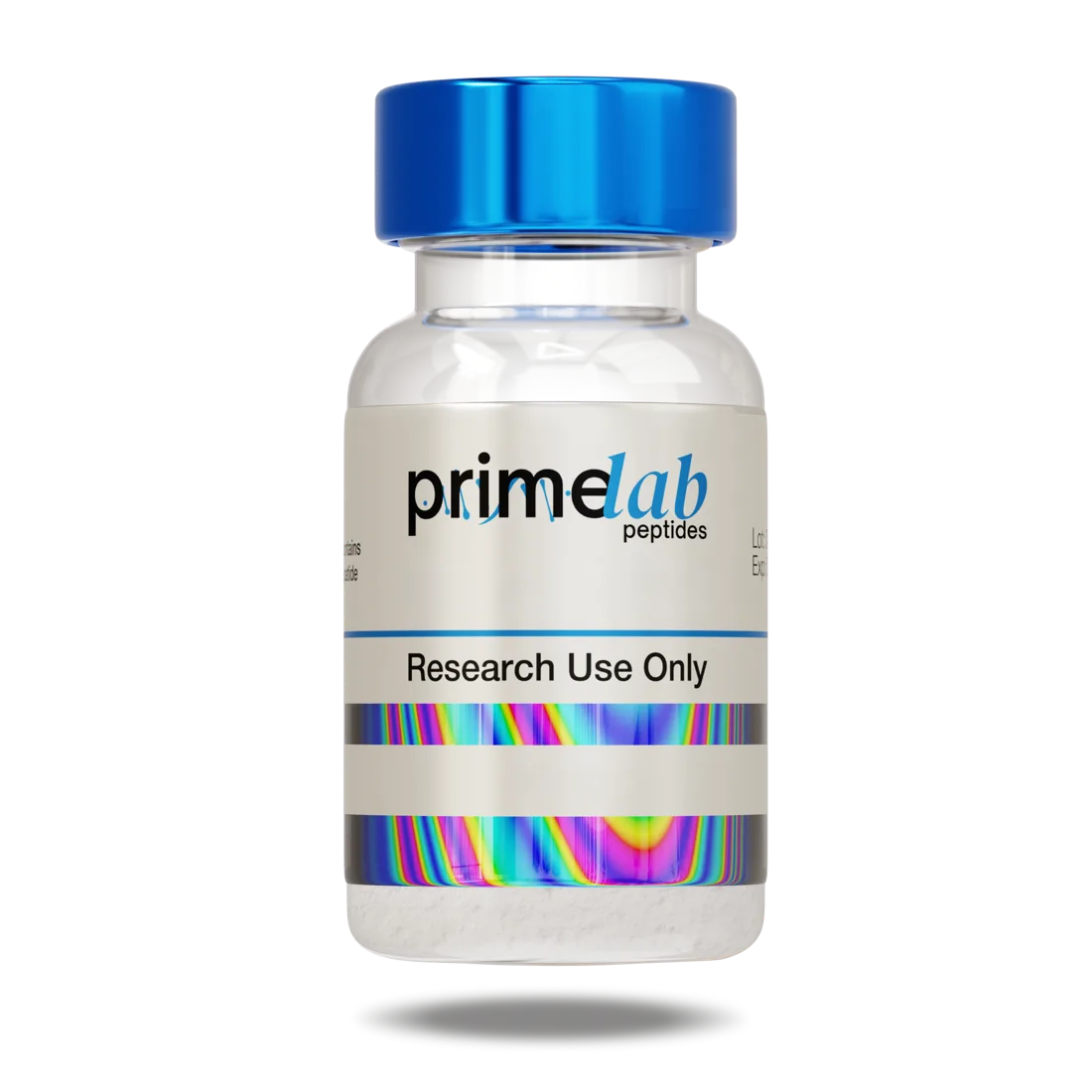
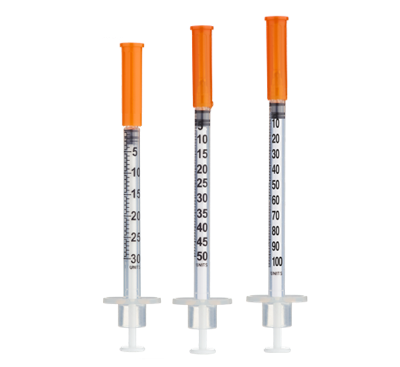
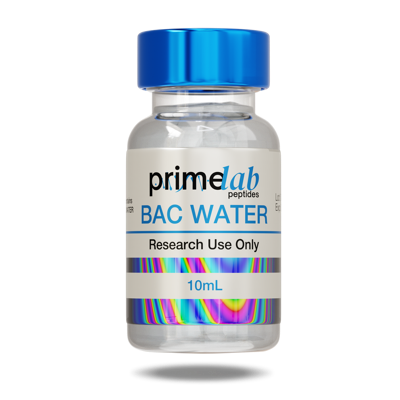
Pancragen is supplied as a lyophilized research vial, so the generic reconstitution kit below applies. Note that the reference volumes here are extremely small, so accurate low-volume measurement matters far more than it would for a milligram-dosed peptide.
Protocol Overview
Pancragen belongs to the short-peptide bioregulator tradition: a Russian research programme, running since the 1970s, that first prepared peptide extracts from animal organs and then designed short synthetic peptides intended to reproduce each organ’s activity[12]. Pancragen is the pancreatic member of that synthetic set, a tetrapeptide Lys-Glu-Asp-Trp, alongside siblings such as Bronchogen for bronchial epithelium and Vesugen for vascular tissue[6].
The claim the programme makes is tissue specificity at very low concentrations. In human pancreatic cell culture, Pancragen raised expression of the differentiation factors CXCL12 and Hoxa3, while the peptides assigned to other organs acted on their own tissues[6]; in a follow-up it stimulated the acinar and islet transcription factors Pdx1, Ptf1a, Pax6, Pax4, Foxa2 and Nkx2.2, again more strongly in aged cultures[5]. In organotypic culture, pancreatic explants from young and old rats responded at about 0.05 ng/mL[11].
What separates Pancragen from most of its siblings is that the story did not stop in the dish. A streptozotocin rat model reported a pronounced hypoglycaemic effect from oral peptide and normalised mesenteric capillary endothelial adhesion from intramuscular peptide[4]; old rhesus monkeys showed improved glucose disappearance and normalised insulin and C-peptide dynamics[2][3]; and one small human report described lower fasting glucose and insulin resistance in elderly patients with type 2 diabetes[1]. That is a more complete chain than almost any other bioregulator has.
The honest limit is what that chain still lacks: no randomised controlled trial, no registered study, no regulatory approval and no independent replication. Nearly every link in it shares authors or institutions with the originating programme[12], and the human link is a single uncontrolled report whose dose is not on the record[1]. Pancragen should be read as an unusually interesting preclinical compound, not as a therapy.
Dosing Protocol
Reference reconstitution volumes only (20 mg vial in 3 mL → 6.67 mg/mL). These are not a dose ladder — no human dose for Pancragen has ever been published[1]. The first row is the only in-vivo daily amount that exists in the literature, and it is a monkey amount[2][3]; the rest are shown so the scale of a 20 mg research vial is explicit.
Storage Instructions
Lyophilized vials are stable refrigerated and should be kept dry and protected from light; follow the supplier’s handling guidance for the powder, and do not freeze a vial once it has been reconstituted.
After reconstitution with bacteriostatic water, store at 2–8 °C and use within the preservative’s window. Because the reference volumes are so small, a single vial represents a very large number of withdrawals — sterility and consistent concentration matter across all of them, and a vial that will sit refrigerated for months is a different sterility problem from one used up in a week.
Important Notes
These are the points most often lost when Pancragen is marketed as a “pancreas peptide” for blood sugar or metabolic support.
- ▪It is not a diabetes treatment, and treating it as one is the real risk: the claimed effect is lowering glucose and insulin resistance[1][4]. Type 2 diabetes has therapies with randomised outcome data behind them; substituting or delaying those for an unapproved research peptide is the most consequential thing described on this page.
- ▪No registered trial and no approval: a ClinicalTrials.gov search returns no registered study of Pancragen (July 2026), and it is not approved by the FDA. In Russia the peptide bioregulators circulate largely as capsule supplements rather than as licensed injectable medicines.
- ▪The human evidence is one uncontrolled report: 33 elderly patients with type 2 diabetes versus an untreated comparison group, not described as randomised or blinded, co-authored by the originating programme, with no dose, route or course in the published record[1] — and unreplicated since.
- ▪The only in-vivo daily amount is a monkey amount: 0.05 mg per animal per day intramuscularly for ten days[2][3]. Any human regimen circulating online is extrapolation, not a published protocol.
- ▪Hypoglycaemia is the mechanistically obvious hazard: a compound reported to lower fasting glucose in rats, monkeys and people[1][2][4] has an obvious interaction with insulin, sulfonylureas and other glucose-lowering drugs. Nobody has studied those interactions.
- ▪The oral capsules are a different product: the capsule-format bioregulators sold under the same name are supplement products, not the 20 mg research vial documented here, and the two cannot be compared milligram for milligram.
- ▪The evidence is close to single-source: almost every study shares authors or institutions with the St Petersburg programme[12]. A 2025 review from an unrelated group lists KEDW among short peptides that direct pancreatic lineage differentiation[12], but that is a review of the same primary literature, not independent replication of it.
How This Works
The programme’s proposed mechanism is epigenetic rather than receptor-mediated: short peptides are said to cross the cell and nuclear membranes and interact with DNA and histones in a sequence-selective way, shifting expression of the genes that govern tissue differentiation[12]. For Pancragen the downstream half of that story is genuinely measured. In aged human pancreatic cultures the peptide raised expression of Pdx1, Ptf1a, Pax6, Pax4, Foxa2 and Nkx2.2[5], and of CXCL12 and Hoxa3[6], with the effect larger in late-passage cells.
There is also real epigenetic data. Methylation of the PDX1, PAX6 and NGN3 promoter regions changed as pancreatic cultures aged, and those changes correlated with the expression changes and were affected by KEDW[7]. Notably, the same paper found that PAX4 and FOXA2 methylation did not track their expression — so even within the programme’s own data, promoter methylation explains some of the effect and not the rest.
The upstream half — the actual chromatin contact — is weaker. Fluorescence-quenching work found KEDW among short peptides that bind labelled wheat histones H1, H2B, H3 and H4 and their complexes with deoxyribooligonucleotides[8] — an in-vitro plant-protein model, not human chromatin. The DNA binding site itself is computational: molecular-mechanics docking put the tetrapeptide in the major as well as the minor groove and proposed GGCAG as its site, describing it as a mimetic of insulinotropic peptides[9]; a later docking study from the same group placed KEDW on an acct motif instead[10]. Two in-silico predictions that disagree are not a demonstrated binding site. The honest reading is that the gene-expression effect is observed in dishes while the mechanism proposed to explain it remains largely modelled rather than measured.
Lifestyle Factors
For glucose control and pancreatic health the interventions with genuine outcome evidence are the familiar ones: weight management, regular physical activity, dietary pattern, sleep, limiting alcohol, not smoking, and the prescribed treatment of diabetes where it exists. Structured lifestyle programmes and licensed glucose-lowering drugs have randomised trial data behind them. A research peptide with one uncontrolled human report does not.
The honest “daily habits” note here is a warning rather than a tip. Rising fasting glucose, unexplained weight loss, persistent thirst or abdominal pain are reasons to get bloods and see a clinician, not reasons to self-experiment — and because the compound is claimed to lower glucose, anyone already taking insulin or a sulfonylurea would be stacking an unstudied agent on top of drugs that can cause hypoglycaemia on their own.
Potential Benefits & Side Effects
Evidence tier: aged human cell cultures, a streptozotocin rat model, two reports in old rhesus monkeys and one small uncontrolled human paper — with no registered trial, no randomised evidence and no approval. The “effects” below are what that literature reports, in the systems where it reports them; the “considerations” are the honest counterweight.
Reported Effects
- ▪Glucose tolerance — improved in old monkeys: after 0.05 mg per animal per day intramuscularly for ten days, glucose disappearance accelerated and insulin and C-peptide responses to a glucose load normalised, with part of the effect still present three weeks after the course[2][3].
- ▪Fasting glucose and insulin resistance — lower in one human report: in 33 elderly patients with type 2 diabetes, fasting glucose, the glucose-tolerance response, plasma insulin and the insulin resistance index fell, while an untreated comparison group showed no change[1]. Uncontrolled and unreplicated.
- ▪Blood glucose and endothelium — in diabetic rats: oral peptide produced a pronounced hypoglycaemic effect during treatment, and intramuscular peptide normalised adhesion of mesenteric capillary endothelium without changing capillary permeability[4].
- ▪Differentiation factors — in aged human cell culture: Pdx1, Ptf1a, Pax6, Pax4, Foxa2 and Nkx2.2 rose in acinar and islet cultures[5], as did CXCL12 and Hoxa3[6], with larger effects in late-passage cells.
- ▪Tissue-selective stimulation — in organ culture: pancreatic explants from young and old rats responded at about 0.05 ng/mL, while peptides assigned to other organs stimulated their own tissues[11].
- ▪What is not established: any outcome that matters clinically. There is no randomised trial, no registered study, no human dose and no approval, and no independent group has replicated the metabolic findings[12].
Common Side Effects
- ▪Hypoglycaemia is the predictable one: the compound’s claimed benefit is lowering glucose[1][2][4]. Combined with insulin, sulfonylureas or any other glucose-lowering therapy that is a real interaction, and no study has ever examined it.
- ▪The safety data are essentially absent: the published work reports metabolic and culture outcomes, not systematic human safety monitoring. “No reported side effects” for a compound nobody has formally studied in people is an absence of data, not a safety record.
- ▪A chromatin-interacting mechanism deserves caution, not comfort: the proposed action is binding DNA and histones and shifting gene expression[7][8][9]. Whatever one makes of the evidence, that is not an inherently benign mechanism, and its long-term consequences have never been studied in humans.
- ▪Measurement risk is unusually severe here: the only published in-vivo amount is 0.75 units on a U-100 syringe at 6.67 mg/mL, which cannot be drawn accurately — so any practical volume is far above anything ever studied.
- ▪Unverified sourcing: Pancragen is sold as a research chemical. Identity, purity and sterility of a grey-market vial are unverified, and a label reading KEDW is not confirmation of what is inside.
- ▪Substituting it for real diabetes care is the biggest risk of all: type 2 diabetes and pancreatitis have treatments that demonstrably change outcomes; an unapproved peptide does not.
Injection Technique
No human route, dose or schedule has been established for Pancragen. The animal work used intramuscular injection in monkeys and rats under research protocols[2][4], not clinical ones. The generic handling workflow below documents how such a lyophilized research vial is prepared and handled; it is educational, and not a recommendation to administer an unapproved compound to a person or animal.
Pre-Injection Preparation
- ▪Confirm identity: Pancragen is Lys-Glu-Asp-Trp (KEDW)[6], not one of the other four-letter bioregulators from the same programme. Ask for a certificate of analysis.
- ▪Confirm the concentration: the reference math assumes 6.67 mg/mL (20 mg in 3 mL). Recompute if a different volume of diluent was used.
- ▪Inspect: the reconstituted solution should be clear and particle-free; discard it if cloudy or discoloured.
Injection Procedure
- ▪Understand there is no validated human dose: the table gives reconstitution reference points, not a regimen — the only published in-vivo daily amount is 50 mcg per old rhesus monkey[2][3].
- ▪Recognise the measurement floor: at 6.67 mg/mL that published amount is under one unit on a U-100 syringe, so this concentration cannot deliver it — a fact worth confronting before anything else.
- ▪Rotate sites: where a research protocol involves repeated administration, alternate areas to avoid repeated trauma to one spot.
Post-Injection Care
- ▪Store and discard properly: keep the reconstituted vial at 2–8 °C, never freeze it, and discard anything cloudy or past the preservative’s window.
- ▪Treat any reaction as a stop signal: with no human safety data, an injection-site reaction, rash or systemic symptom is a reason to stop and seek medical advice, not to continue.
- ▪Watch for the specific hazard: because the reported effect is glucose lowering, symptoms of hypoglycaemia matter here in a way they do not for most research peptides — and they matter far more for anyone already on glucose-lowering medication.
Recommended Source
For high-purity research peptides, we point researchers to Prime Lab Peptides for Pancragen (20 mg Vial).
Why Prime Lab Peptides?
- ▪Top-rated on Trustpilot: Independently reviewed as the highest-rated peptide lab on Trustpilot — making it the best current source in the USA.
- ▪Third-party tested: Every batch ships with a Certificate of Analysis (COA) confirming purity and composition.
- ▪Consistent quality: ISO-aligned manufacturing and handling keep product integrity reliable batch to batch.
- ▪Cold-chain integrity: Temperature-controlled shipping and storage across the whole fulfilment chain.
- ▪Research-grade purity: Fit for educational and research use that demands high-quality peptides.
Note: Product availability and specifications subject to change. Verify current product details on supplier website.
References
- 1
Bulletin of Experimental Biology and Medicine (2011) — Prospects of using pancragen for correction of metabolic disorders in elderly peopleKorkushko et al. (PMID 22448364). The only human report on Pancragen: 30 healthy older persons and 33 elderly patients with type 2 diabetes; nocturnal melatonin production was about 70% lower in the diabetic group, and in those patients pancragen significantly decreased fasting glucose, the standard glucose-tolerance-test response, plasma insulin and the insulin resistance index, while patients receiving no pancragen showed no change. The published record does not describe randomisation or blinding and does not state the dose, route or course used, and Khavinson is a co-author. DOI: 10.1007/s10517-011-1354-4.
- 2
Advances in Gerontology / Uspekhi Gerontologii (2015) — Correction of impaired glucose tolerance using tetrapeptide (Pancragen) in old female rhesus monkeysGoncharova et al. (PMID 28509500). Nine clinically healthy old (20–25 year) female rhesus monkeys: five received Pancragen 0.05 mg per animal per day intramuscularly for 10 days, four received oral glimepiride 4 mg/day. Both lowered basal glucose; Pancragen also normalised insulin and C-peptide levels, while glimepiride gave a stronger, more delayed hypoglycaemic effect and stimulated C-peptide secretion without significantly affecting insulin secretion. Russian-language; the source of the only published in-vivo daily amount cited on this page.
- 3
Advances in Gerontology / Uspekhi Gerontologii (2014) — Impact of tetrapeptide pancragen on endocrine function of the pancreas in old monkeysGoncharova et al. (PMID 25946840). Companion report from the same primate group: old female rhesus monkeys showed a reduced glucose disappearance rate and higher insulin and C-peptide peaks after a glucose load than young animals; pancragen at 50 micrograms per animal per day intramuscularly for 10 days markedly increased the glucose disappearance rate and normalised insulin and C-peptide dynamics, with the effect partially persisting three weeks after discontinuation. Same institute and model as reference 2, so it corroborates rather than independently replicates.
- 4
Bulletin of Experimental Biology and Medicine (2007) — Effect of pancragen on blood glucose level, capillary permeability and adhesion in rats with experimental diabetes mellitusKhavinson et al. (PMID 18642713). Wistar rats with streptozotocin-induced diabetes: oral pancragen produced a pronounced hypoglycaemic effect during treatment, while intramuscular pancragen normalised adhesion of mesenteric capillary endothelium without modifying capillary permeability. Cited here for the glucose-lowering signal in vivo and for the route comparison. DOI: 10.1007/s10517-007-0377-3.
- 5
Bulletin of Experimental Biology and Medicine (2013) — Effects of pancragen on the differentiation of pancreatic cells during their ageingKhavinson et al. (PMID 23486591). Expression of differentiation markers fell as pancreatic cell cultures aged; the tetrapeptide stimulated the acinar factors Pdx1 and Ptf1a and the islet factors Pdx1, Pax6, Pax4, Foxa2 and Nkx2.2 in both young and aged cultures. The authors propose this differentiation effect as the mechanism behind the compound’s claimed anti-diabetic and anti-inflammatory actions. In-vitro only. DOI: 10.1007/s10517-013-1987-6.
- 6
Bulletin of Experimental Biology and Medicine (2012) — Peptides tissue-specifically stimulate cell differentiation during their agingKhavinson et al. (PMID 22808515). Source for the sequence and the tissue-specificity claim: pancragen (Lys-Glu-Asp-Trp) stimulated CXCL12 and Hoxa3 expression in human embryonic pancreatic cells, bronchogen (Ala-Glu-Asp-Leu) did so in bronchial epithelial cells and vesugen (Lys-Glu-Asp) in prostatic fibroblasts, with effects more pronounced in late-passage aged cultures. In-vitro only. DOI: 10.1007/s10517-012-1664-1.
- 7
Biochemistry (Moscow) (2015) — Epigenetic mechanisms of peptidergic regulation of gene expression during aging of human cellsAshapkin et al. (PMID 25761685). The strongest mechanistic data for KEDW: methylation of the PDX1, PAX6 and NGN3 promoter regions changed as pancreatic cell cultures aged, correlating with their expression levels, while PAX4 and FOXA2 methylation did not track expression at all — the paper’s own evidence that promoter methylation explains part of the peptide effect and not the rest. DOI: 10.1134/S0006297915030062.
- 8
Biochemistry (Moscow) (2013) — Interaction of short peptides with FITC-labeled wheat histones and their complexes with deoxyribooligonucleotidesFedoreyeva et al. (PMID 23581987). Fluorescence-quenching study in which short peptides including Lys-Glu-Asp-Trp bound FITC-labelled wheat histones H1, H2B, H3 and H4 and their complexes with deoxyribooligonucleotides, with binding described as site-specific and dependent on the histone and on the primary structures of peptide and oligonucleotide. Cited as the basis of the chromatin-interaction claim, and flagged on this page as an in-vitro plant-protein model rather than human chromatin. DOI: 10.1134/S0006297913020053.
- 9
Bulletin of Experimental Biology and Medicine (2014) — Study of interactions between DNA and tetrapeptides using methods of molecular mechanicsTarnovskaya et al. (PMID 24770759). Molecular-mechanics docking describing Lys-Glu-Asp-Trp as a mimetic of insulinotropic peptides that reduces blood glucose, and modelling it into the major as well as the minor groove of DNA, with GGCAG proposed as the putative binding site. A computational prediction, not a measured binding site. DOI: 10.1007/s10517-014-2426-z.
- 10
Bulletin of Experimental Biology and Medicine (2016) — Short peptides regulate gene expressionKhavinson et al. (PMID 27909961). Docking models of DNA-peptide complexes for 19 short peptides, in which KEDW and AED are assigned an acct binding sequence — a different prediction from the GGCAG site proposed for the same peptide in reference 9 by the same group. Included precisely to show that the binding site is modelled rather than established. DOI: 10.1007/s10517-016-3596-7.
- 11
Advances in Gerontology / Uspekhi Gerontologii (2006) — Tissue-specific effect of synthetic peptide bioregulators in organotypic tissue culture in young and old ratsZakutskii et al. (PMID 17152728). Organotypic culture of heart, lung, prostate and pancreas explants from 3-week-old and 18-month-old rats: cardiogen, bronchogen, prostamax and pancragen each stimulated their assigned tissue at an effective concentration of 0.05 ng/mL relative to controls. This is the source of the sub-nanogram concentration cited on this page, and it is culture work, not dosing.
- 12
Stem Cell Reviews and Reports (2020) — Peptide Regulation of Cell DifferentiationKhavinson et al. (PMID 31808038). Programme-level review setting out the claim that short peptides cross the cell and nuclear membranes to regulate differentiation genes epigenetically, and assigning specific peptides to specific lineages — AEDL and KEDW to lung and pancreatic cell differentiation. Cited as context for the research programme and its single-source character, not as evidence for Pancragen specifically. A 2025 review from an unrelated group (Vishwanath et al., PMID 39871657, DOI 10.1039/d4tb02102a) likewise lists KEDW among short peptides directing pancreatic lineage differentiation, but reviews this same primary literature rather than adding new data. DOI: 10.1007/s12015-019-09938-8.
Pancragen — frequently asked questions
How do I reconstitute a 20 mg vial of Pancragen?
Wipe the stopper with an alcohol swab, then inject your bacteriostatic water slowly down the inside wall of the vial. Let it sit and gently swirl until dissolved — never shake. Store the mixed vial in the refrigerator and draw doses with an insulin syringe. Use the calculator above to turn any dose into syringe units.
How much bacteriostatic water should I add to Pancragen?
There is no single correct amount — more water simply spreads the same 20 mg of peptide across a larger volume, which makes small doses easier to measure accurately. 1 to 3 mL per vial is typical. Enter your chosen volume in the calculator above to see the resulting concentration and syringe units.
What do the "units" on an insulin syringe mean?
On a U-100 insulin syringe, 100 units equal 1 mL, so 1 unit equals 0.01 mL. The calculator above converts your draw volume into these units automatically so you can measure without doing the math by hand.
How should I store Pancragen after mixing?
Keep the reconstituted vial refrigerated at roughly 2 to 8 degrees Celsius, away from light, and avoid freezing it. Reconstituted research peptides are generally used within a few weeks. Always follow the specific guidance supplied with your product.
How many doses does a 20 mg vial of Pancragen provide?
Divide the vial strength of 20 mg by the amount you use per injection. The calculator above reports this as "doses per vial" the moment you enter a dose.
Is Pancragen approved for human use?
No. Pancragen is sold strictly for laboratory and research purposes and is not approved by the FDA or other regulators for human use. Everything on this page is research information, not medical advice — consult a licensed healthcare professional before any use.
New protocols & dosing updates
Reconstitution charts, new peptide protocols and safety updates — straight to your inbox. No spam, unsubscribe anytime.